Imagine going for a routine health check-up and hearing the words, “You have fatty liver disease.” It can feel worrying, especially if you do not drink alcohol. Many people are surprised to learn that steatosis of liver, the medical term for fatty liver disease, can affect anyone due to unhealthy eating habits, lack of physical activity, obesity, diabetes or other lifestyle factors. The good news is that in many cases, it can be managed and even reversed when detected early with the right lifestyle changes.
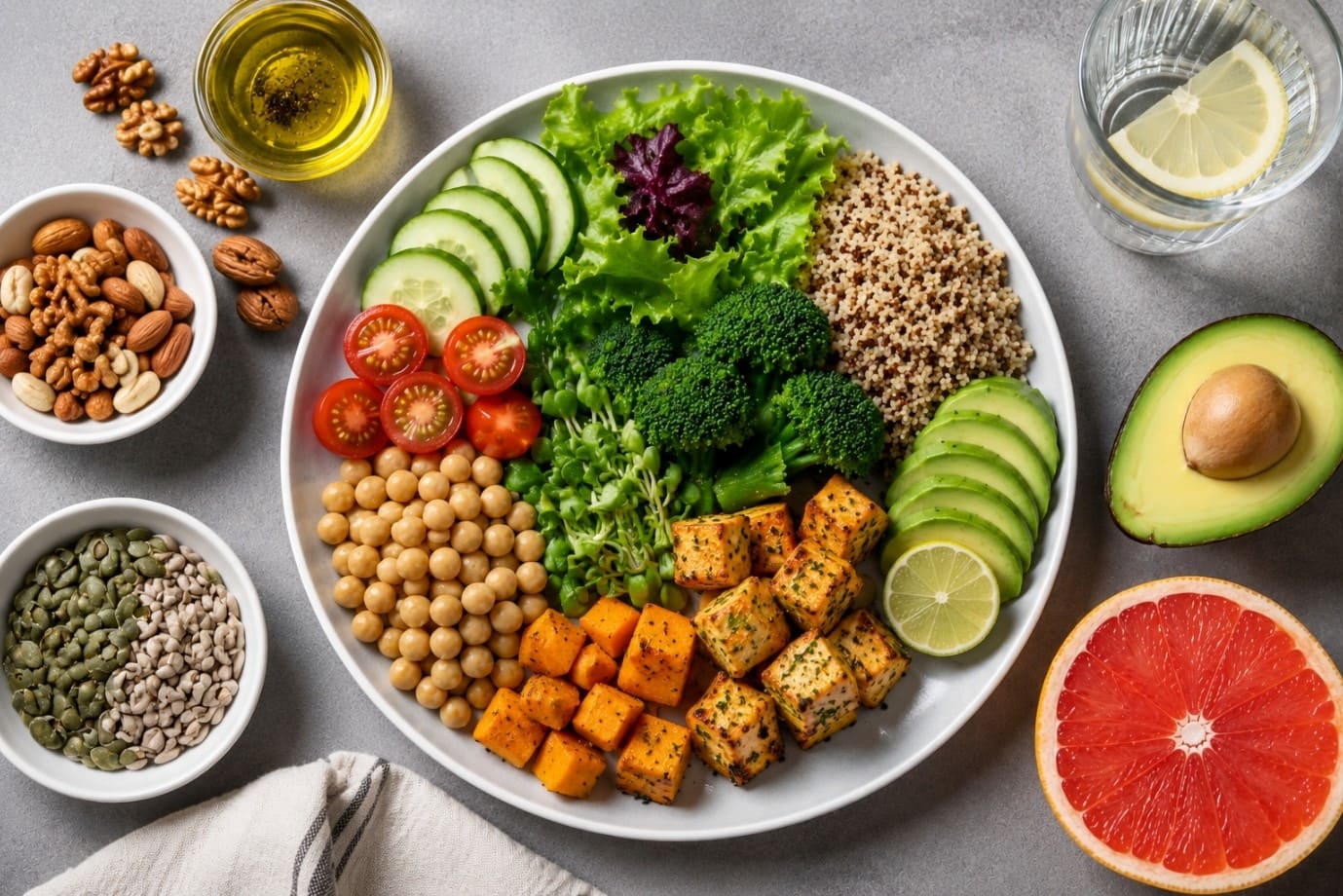
In recent years, fatty liver disease has become increasingly common in India because of busy lifestyles, processed foods, sugary drinks and reduced physical activity. While some people experience fatty liver symptoms such as tiredness, discomfort in the upper right side of the abdomen or unexplained weight gain, many people have no symptoms at all. This is why it is often discovered during a routine blood test or ultrasound.
If you’re wondering how to reduce fatty liver, the answer is simpler than you might think. Instead of relying on expensive supplements or so-called detox drinks, following a healthy diet along with regular exercise is one of the most effective ways to improve liver health. A well-planned diet for fatty liver can help reduce excess fat stored in the liver, support healthy weight loss and lower the risk of future complications.
In this comprehensive blog, you’ll learn about the symptoms of fatty liver, the best foods to include and avoid and easy Indian meal ideas that can help you reduce fatty liver naturally and support a healthier, happier life.
What is Fatty Liver Disease?
Fatty liver disease, also called steatosis of liver, is a condition in which excess fat builds up in the liver cells. While a small amount of fat is normal, too much fat can affect the liver’s normal function. In most cases, people do not notice fatty liver symptoms in the early stages, making regular health check-ups important.
There are two main types of fatty liver disease. Alcoholic Fatty Liver Disease (AFLD) is caused by excessive alcohol consumption, whereas Non Alcoholic Fatty Liver Disease (NAFLD) occurs due to lifestyle and metabolic factors. Today, NAFLD is also referred to as MASLD (Metabolic Dysfunction-Associated Steatotic Liver Disease). Common causes of fatty liver include obesity, diabetes, unhealthy eating habits, lack of exercise and high cholesterol. If left untreated, it can progress from a fatty liver to inflammation, fibrosis and cirrhosis.
The good news is that with a balanced healthy diet and regular physical activity, you can reduce fatty liver naturally and improve your liver health.
Fatty Liver Symptoms You Should Not Ignore
One of the biggest challenges with fatty liver disease is that it often develops silently. In the early stages of steatosis of liver, most people do not experience any noticeable symptoms. In many cases, the condition is discovered accidentally during a routine blood test or an ultrasound. As the disease progresses, however, some people may start noticing mild signs that should not be ignored.
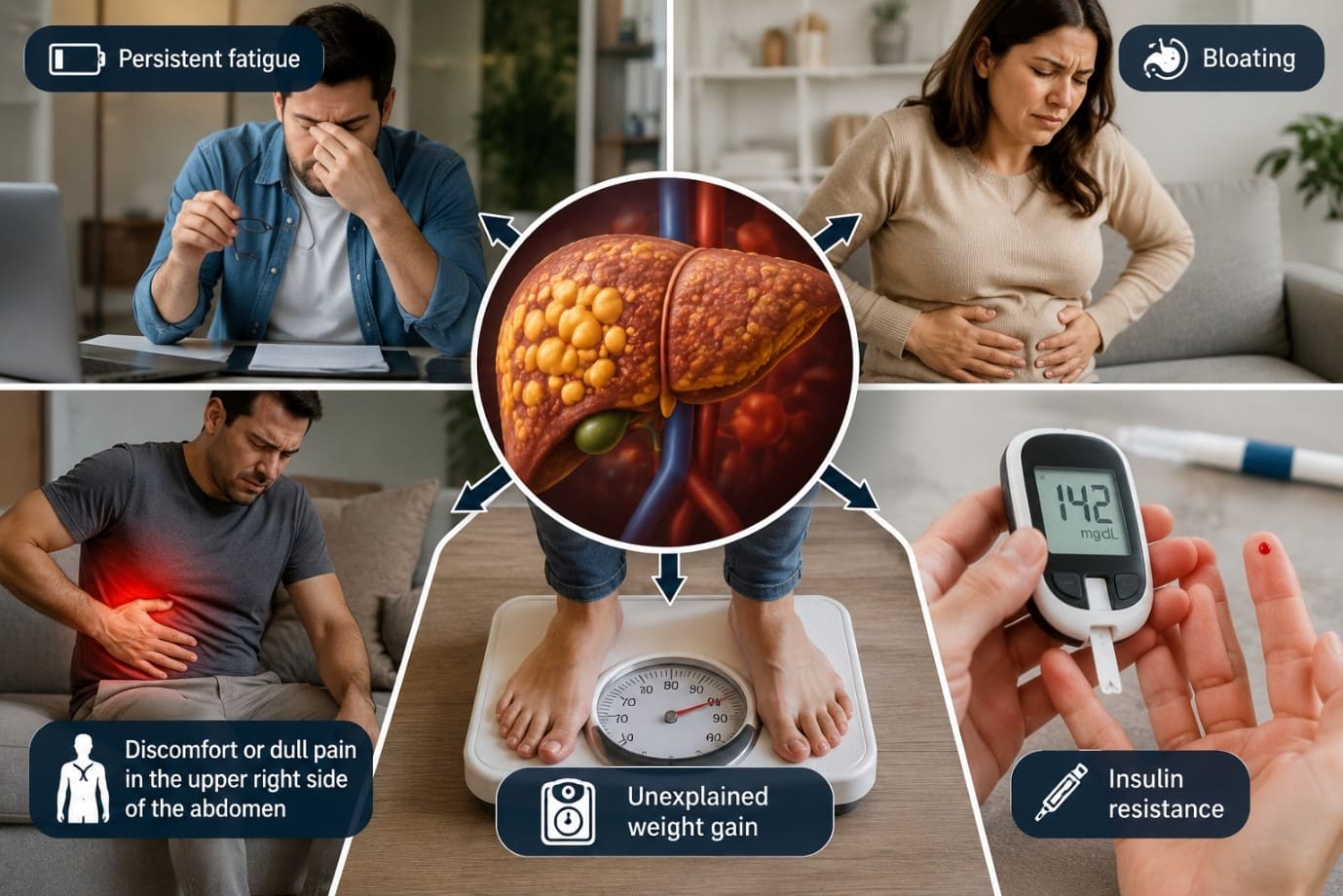
Common symptoms of fatty liver include:
- Persistent fatigue or feeling tired even after getting enough rest.
- Bloating or a feeling of heaviness in the stomach after meals.
- Discomfort or dull pain in the upper right side of the abdomen, where the liver is located.
- Elevated liver enzymes detected in blood tests, often without any physical symptoms.
- Unexplained weight gain, especially around the waist.
- Insulin resistance, which can increase the risk of prediabetes or type 2 diabetes.
These symptoms can also be linked to other health conditions, so it is important to consult a healthcare professional for proper diagnosis. Understanding the symptoms and causes of fatty liver and taking action early can help prevent further liver damage. Following a balanced diet and maintaining an active lifestyle are effective ways to reduce fatty liver naturally. If you are wondering how to reduce fatty liver, early lifestyle changes can make a significant difference to your liver health.
Best Foods to Eat in a Fatty Liver Diet
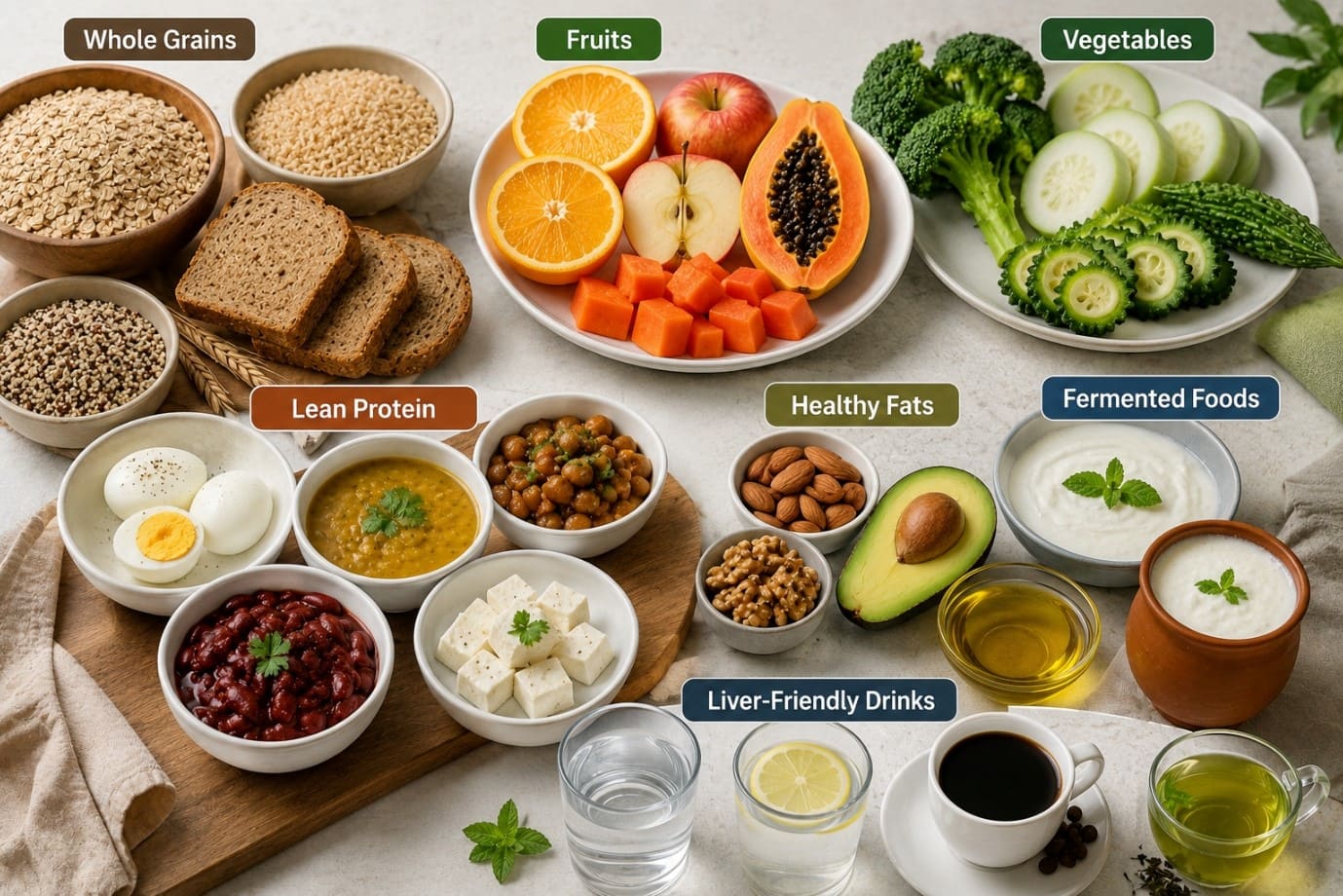
A well-balanced diet is one of the most effective ways to manage fatty liver disease. If you are looking for the best foods to reduce fatty liver, focus on eating natural, nutrient-rich foods that support liver function, reduce inflammation and promote healthy weight management. Combined with regular exercise, these foods can help reduce fatty liver naturally and lower the risk of long-term complications.
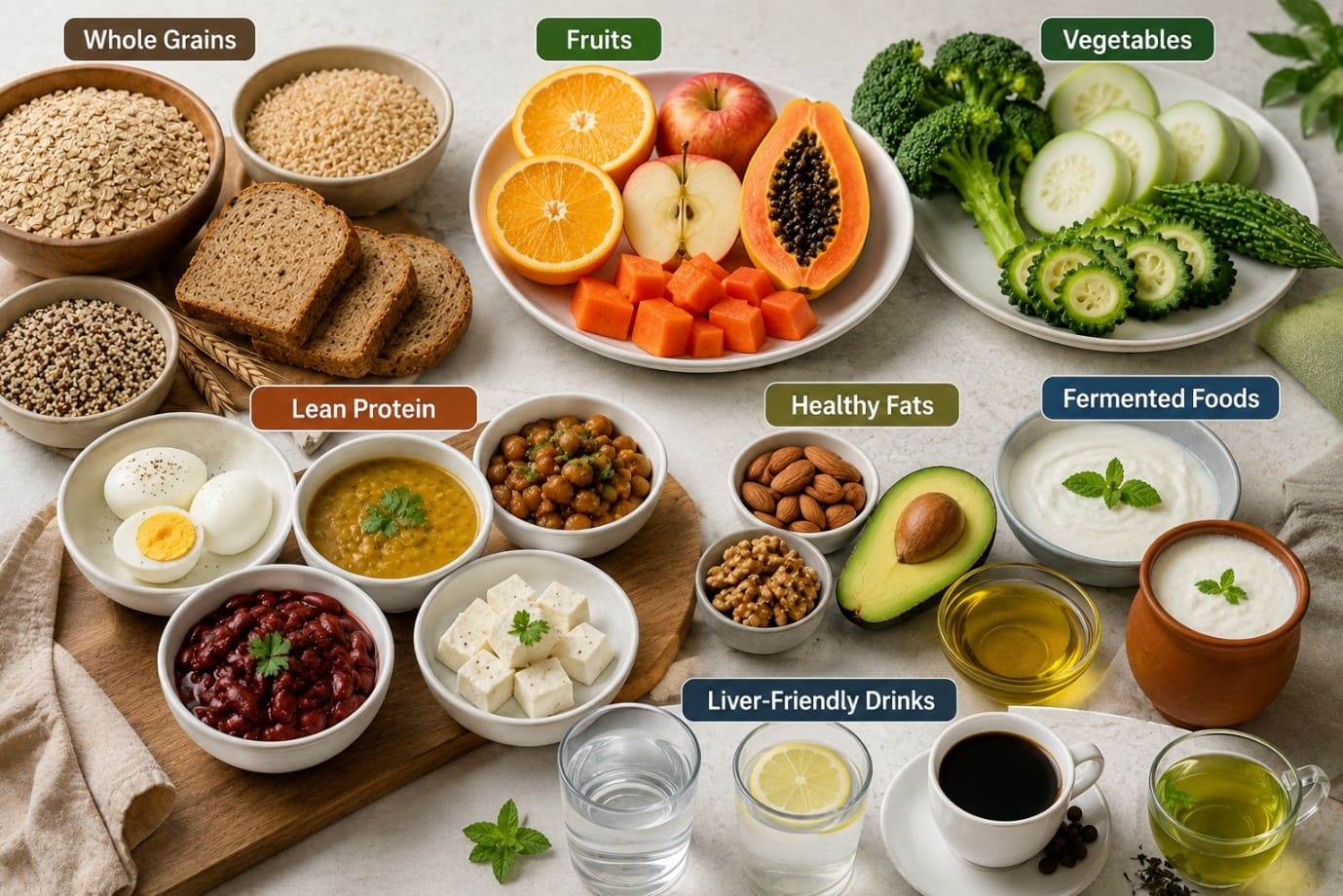
👉 Whole Grains
These are rich in fibre, vitamins and minerals that support digestion and help control blood sugar levels. They also keep you full for longer, making them an important part of a healthy diet for fatty liver.
Some of the best whole grains include:
- Oats
- Brown rice
- Millets (Bajra, Jowar, Ragi)
- Whole wheat
- Quinoa
The high fibre content in whole grains improves insulin sensitivity and supports gradual weight loss for fatty liver. Replacing refined flour and white rice with whole grains is a simple step towards how to prevent fatty liver and improve overall liver health.
👉 Fruits
Fresh fruits are packed with antioxidants, vitamins, minerals and fibre that help protect the liver from oxidative stress. They also satisfy sweet cravings naturally, making them a healthier choice than sugary desserts.
The best foods to reduce fatty liver among fruits include:
- Apple
- Guava
- Orange
- Papaya
- Berries
Although fruits are healthy, very sweet fruits such as mangoes, grapes, chikoo and ripe bananas should be eaten in moderation, especially by people with diabetes or insulin resistance. Including seasonal fruits in your daily fatty liver meal plan supports a balanced good diet for a fatty liver.
👉 Vegetables
These are low in calories and rich in fibre, antioxidants and essential nutrients. They help reduce inflammation, improve digestion and support healthy weight management, making them one of the most important foods to reduce fatty liver.
Include a variety of colourful vegetables such as:
- Spinach
- Broccoli
- Bottle gourd (Lauki)
- Bitter gourd (Karela)
- Carrot
- Cucumber
- Pumpkin
Aim to fill at least half your plate with vegetables during lunch and dinner. Eating more vegetables is one of the easiest ways to reduce fatty liver naturally and lower the risk of future liver damage.
👉 Lean Protein
Protein helps repair body tissues, maintains muscle mass during weight loss and keeps you feeling full for longer. Choosing lean protein sources instead of processed or high-fat meats is an essential part of a fatty liver diet.
Healthy protein options include:
- Dal
- Chana
- Rajma
- Soy products
- Low-fat paneer
- Eggs (for non-vegetarians)
These foods provide high-quality protein without excess unhealthy fat. Including lean protein in every meal also helps maintain stable blood sugar levels, which is particularly beneficial for people with NAFLD and MASLD.
👉 Healthy Fats
Not all fats are harmful. Healthy fats contain essential fatty acids that support heart health and may help reduce inflammation associated with fatty liver disease.
Choose healthy fats such as:
- Almonds
- Walnuts
- Flaxseeds
- Chia seeds
- Olive oil
- Groundnut oil
- Mustard oil
Eat these in moderation, as they are calorie-dense. Replacing trans fats and fried foods with healthier fat sources is an important step in reducing fatty liver and improve overall health.
👉 Fermented Foods
A healthy gut supports a healthy liver. Fermented foods contain beneficial bacteria that improve digestion and may help reduce inflammation.
Include these probiotic-rich foods regularly:
- Curd
- Buttermilk
- Homemade yogurt
These foods can easily be included in your daily fatty liver meal plan.
👉 Liver-Friendly Drinks
Staying hydrated is essential for proper liver function. Instead of sugary beverages, choose drinks that support hydration and overall health.
Some of the best liver-friendly drinks include:
- Plain water
- Lemon water (without sugar)
- Green tea
- Black coffee (without excess sugar or cream)
Research suggests that moderate consumption of black coffee may support liver health in some individuals. However, sugary coffee drinks and cream-loaded beverages should be avoided.
While choosing the right foods to reduce fatty liver is important, remember that no single food can cure fatty liver disease. The best results come from following a balanced diet, exercising regularly, maintaining a healthy weight and avoiding processed foods. A consistent, nutritious eating pattern remains the safest and most effective way to reduce fatty liver naturally.
Also Read: Weight loss diet plan for women
Foods to Avoid in Fatty Liver
Following a healthy diet for fatty liver is not just about choosing the right foods, it is equally important to avoid foods that can worsen fatty liver disease. Excess sugar, unhealthy fats, refined carbohydrates and alcohol can increase fat build up in the liver, making it harder to reduce fatty liver naturally. If you are following a healthy diet for fatty liver, limiting these foods can improve liver health and support weight loss.
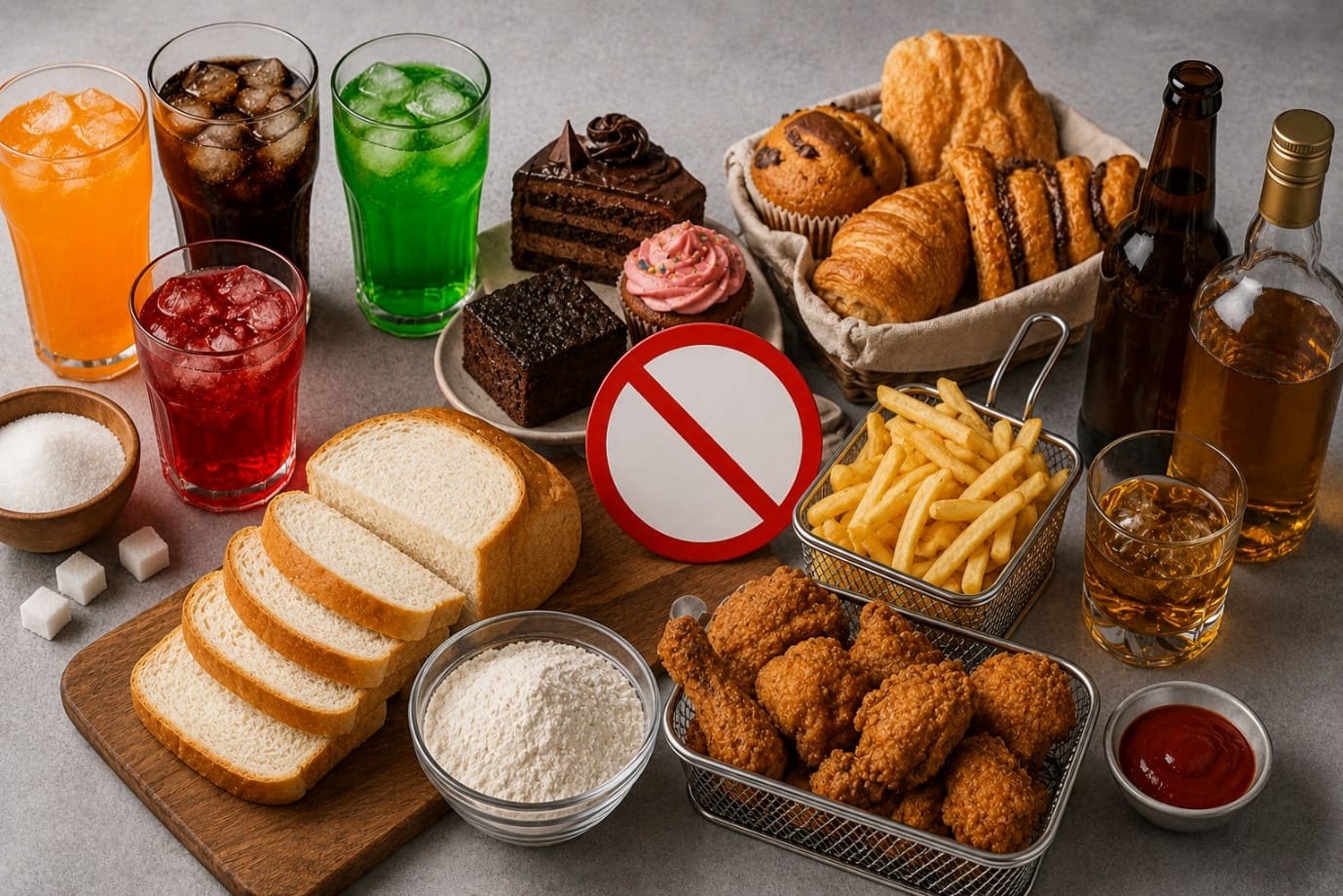
Food | Why Avoid It |
Sugary drinks | Soft drinks, packaged juices and energy drinks are high in added sugar, which can increase liver fat. |
Sweets and desserts | Cakes, chocolates, candies and sweets contain excess sugar that may worsen fatty liver disease. |
White bread and refined flour | Refined carbohydrates can raise blood sugar levels and contribute to fat accumulation in the liver. |
Bakery items | Biscuits, pastries and puffs often contain unhealthy trans fats and refined flour. |
Deep-fried foods | Fried snacks and fast foods are rich in saturated fats and excess calories. |
Processed meats | Sausages, salami and bacon are high in sodium, preservatives, and unhealthy fats. |
Alcohol | Alcohol damages liver cells and can worsen both Alcoholic Fatty Liver Disease and existing liver damage. |
Packaged snacks | Chips, namkeen and instant foods are high in salt, unhealthy fats, and empty calories. |
Knowing the fatty liver foods to eat and avoid is essential for managing NAFLD, MASLD and other forms of steatosis of liver. Along with including the best foods to reduce fatty liver, avoiding these unhealthy foods can help prevent disease progression and lower the risk of long-term side effects of fatty liver.
Sample 7-Day Fatty Liver Meal Plan
Following a balanced fatty liver meal plan can make it easier to manage fatty liver disease and improve your overall health. A well-planned diet should include fibre-rich whole grains, fresh vegetables, fruits, lean plant-based proteins and healthy fats while avoiding processed and sugary foods. If you are wondering how to reduce fatty liver, consistency is the key. Pairing a healthy diet with regular physical activity can help reduce fatty liver naturally and support long-term liver health. Here is a simple vegetarian diet for fatty liver that can be followed throughout the week.
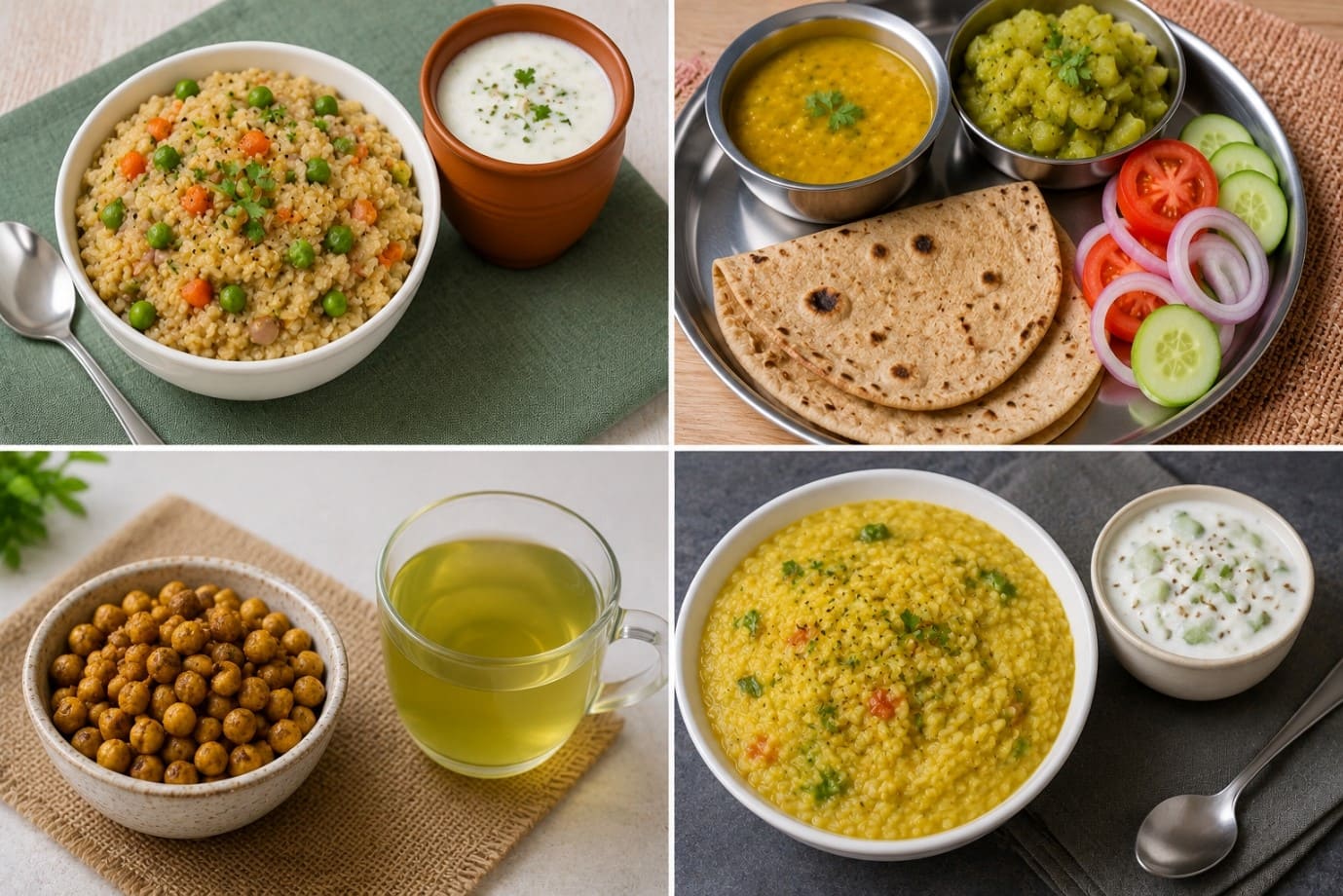
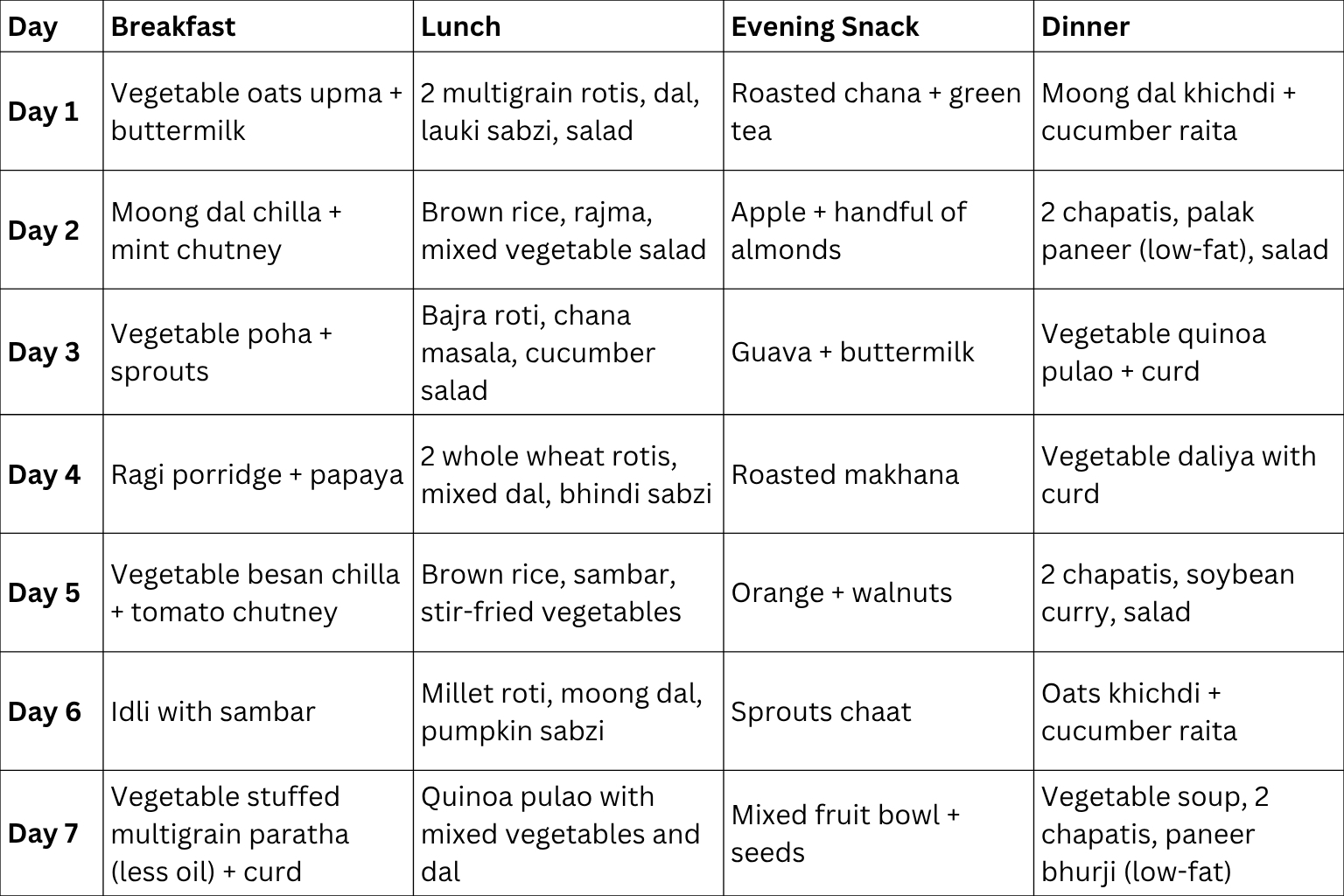
This fatty liver meal plan is a sample guide and can be adjusted based on your age, activity level, health conditions and calorie
requirements. For the best results, consult a qualified dietitian who can create a personalised diet for fatty liver based on your individual nutritional needs.
Lifestyle Tips Along with a Fatty Liver Diet
Following a healthy diet for fatty liver is one of the best ways to improve liver health, but diet alone is not enough. Healthy lifestyle habits work together with nutrition to manage fatty liver disease, support weight loss and reduce fatty liver naturally. It is recommended at least 200 minutes of moderate physical activity per week along with a balanced diet for fatty liver for the best results.
Here are some simple lifestyle tips to follow:
- Walk for 30–45 minutes daily to burn calories, improve metabolism and reduce fat stored in the liver.
- Include strength training at least 2–3 times a week to build muscle and improve insulin sensitivity.
- Sleep for 7–8 hours every night, as poor sleep can increase the risk of fatty liver disease.
- Stay hydrated by drinking enough water throughout the day and avoiding sugary beverages.
- Reduce stress through yoga, meditation, deep breathing or other relaxation techniques.
- Avoid smoking, as it can worsen inflammation and increase the risk of chronic diseases.
- Do not skip meals, as regular eating helps maintain stable blood sugar levels.
- Practice portion control to avoid overeating and support healthy weight management.
If you are wondering how to reduce fatty liver or how to prevent fatty liver, remember that small and consistent lifestyle changes are more effective than quick fixes. Combined with a balanced diet, these healthy habits can help lower the risk of fatty liver symptoms, address some of the causes of fatty liver and improve your overall well-being.
You can also go through our dedicated blog on Weight loss diet plan for men.
Common Myths about Fatty Liver Diet
There is a lot of misinformation about fatty liver disease, making it difficult to know what really works. Believing these myths can delay treatment and affect your liver health. Let’s separate fact from fiction.
👉 Myth 1: Fatty liver only happens to people who drink alcohol.
Reality: This is false. Many people diagnosed with Non Alcoholic Fatty Liver Disease do not consume alcohol at all. Poor eating habits, obesity, diabetes and lack of exercise are common causes of fatty liver.
👉 Myth 2: Detox juices can cure fatty liver.
Reality: There is no detox drink or juice that can reverse fatty liver disease. The best way to reduce fatty liver is by following a healthy diet, exercising regularly and maintaining a healthy weight.
👉 Myth 3: You should stop eating all fats.
Reality: Not all fats are harmful. Nuts, seeds and healthy oils provide essential nutrients. Instead of avoiding all fats, focus on limiting unhealthy fats.
👉 Myth 4: Only overweight people get fatty liver.
Reality: While obesity increases the risk, even people with a healthy body weight can develop NAFLD due to genetics, poor diet or metabolic disorders.
👉 Myth 5: Supplements alone can treat fatty liver.
Reality: No supplement can replace a balanced diet for fatty liver and an active lifestyle. Sustainable weight loss for fatty liver, regular exercise and healthy eating remain the most effective ways to reduce fatty liver naturally. Recognising the symptoms of fatty liver early and making consistent lifestyle changes offer the best chance of improving liver health.