
Becoming a mother is one of the most beautiful experiences in a woman’s life, but the journey after childbirth comes with several physical and emotional changes. While caring for a newborn becomes the top priority, many new mothers also wonder how to manage the extra weight gained during pregnancy. However, postpartum weight loss is not just about getting back to your pre-pregnancy weight, it is about giving your body the right nutrition, time and care to recover.
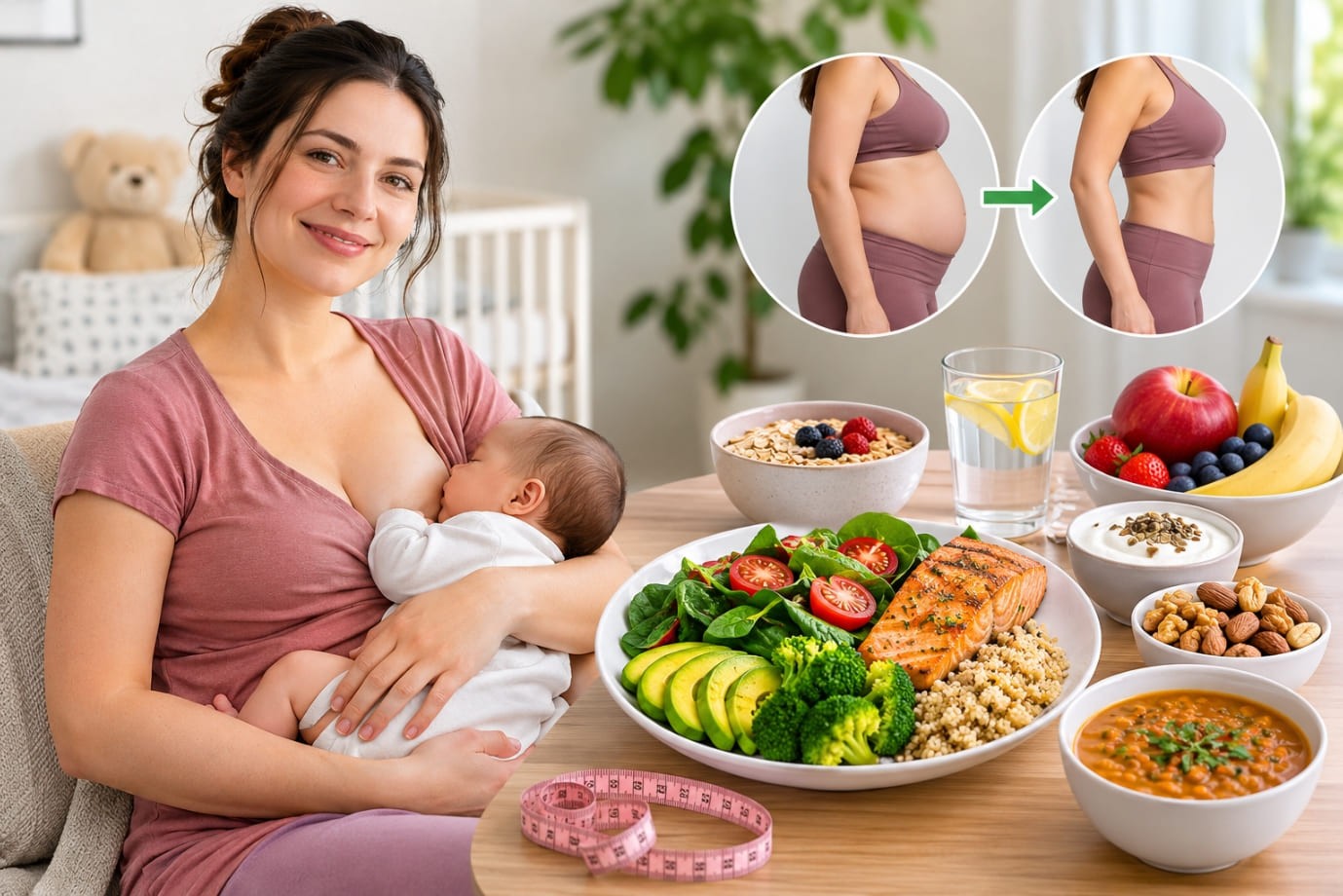
Achieving healthy weight loss after delivery can be challenging because hormonal changes, irregular sleep, breastfeeding demands and limited time for self-care can affect your appetite, energy levels and metabolism. Your body has gone through significant changes during pregnancy and childbirth, so it needs adequate nourishment rather than restrictive dieting.
Following a balanced postpartum weight loss diet can help you meet your nutritional requirements while gradually working towards a healthy weight. Instead of skipping meals or following crash diets, focus on wholesome Indian foods, protein-rich meals, seasonal fruits, vegetables, whole grains and healthy fats. Remember, the right diet plan for postpartum weight loss should support both your recovery and your overall well-being.
In this blog, we will explore how to lose weight after childbirth safely, which nutritious foods to be included in postpartum weight loss diet and which foods to avoid after delivery or limit for better health. You will also discover practical meal ideas and tips for creating a sustainable diet plan including considerations for breastfeeding mothers.
Understanding Postpartum Weight Gain and Weight Retention
Postpartum weight retention refers to the extra weight a woman carries after childbirth. Although some weight is lost immediately after delivery, it is normal for some pregnancy weight to remain. Hormonal changes, fluid retention, pregnancy weight gain and lifestyle adjustments can all influence how quickly your body returns to its pre-pregnancy weight.
Every mother’s postpartum weight loss journey is different. Instead of comparing yourself with others, focus on recovery, balanced nutrition and gradual weight loss after delivery. Your body needs time and nourishment to heal.
Why Is It Difficult to Lose Weight After Pregnancy?
Several factors can make weight loss after delivery challenging:
- Hormonal fluctuations: Postpartum hormonal changes can affect appetite, mood and energy levels.
- Irregular eating patterns: Newborn care may lead to skipped meals and unhealthy snacking.
- Reduced physical activity: Recovery after vaginal delivery or a C-section can temporarily limit exercise.
- Sleep deprivation and stress: Interrupted sleep and emotional stress can influence hunger and eating habits.
- Breastfeeding: Increased energy requirements may lead to greater hunger and changes in appetite.
Following a balanced postpartum weight loss diet with nutritious foods can support recovery and gradual weight management. A suitable diet plan for postpartum weight loss should consider your individual nutritional needs, recovery stage and breastfeeding status rather than following a restrictive diet.
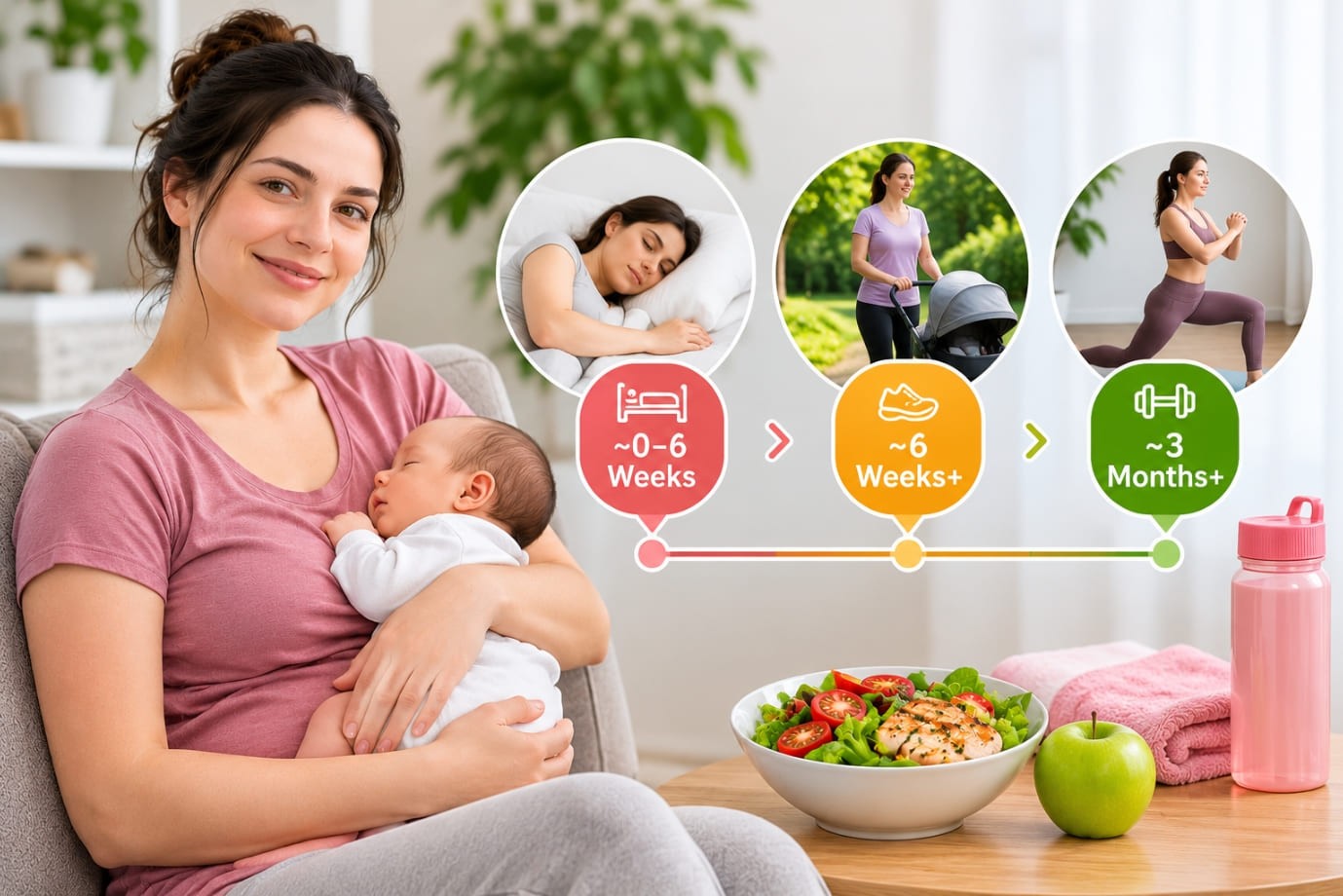
When Should You Start Losing Weight After Delivery?
After childbirth, many new mothers look forward to getting back to their pre-pregnancy weight. However, postpartum weight loss should never come at the cost of your health or recovery. Your body has gone through significant physical changes during pregnancy and delivery, so it needs enough time, rest and proper nutrition to heal. Generally, the first six weeks after delivery should focus on recovery rather than intentional weight loss. Whether you have had a vaginal delivery or a C-section, your recovery journey will be different. Before starting a postpartum weight loss diet, consult your healthcare professional during your postpartum check-up to understand when and how to begin safely. Remember, gradual weight loss after delivery is healthier and more sustainable than following strict diets or chasing quick results.
Postpartum Weight Loss While Breastfeeding
Breastfeeding requires additional energy and nutrients to support milk production and maternal recovery. Therefore, new mothers should avoid aggressive calorie restriction or skipping meals to lose weight after childbirth.
Here are some important things to remember:
- Eat enough: Include regular, balanced meals to meet your increased energy requirements.
- Choose nutritious foods: Include dal, paneer, eggs, whole grains, seasonal fruits, vegetables and nuts.
- Stay hydrated: Drink water regularly, especially while breastfeeding.
- Monitor your health: Pay attention to your energy levels, recovery and baby’s feeding patterns.
- Avoid crash diets: Extreme calorie deficits may affect your nutritional intake and overall well-being.
A personalized diet plan for postpartum weight loss should focus on adequate nourishment and gradual progress. Include healthy foods rather than unnecessarily restricting your diet. The right postpartum diet plan to lose weight should support both your recovery and your baby’s nutritional needs.
Best Foods to Include in an Indian Postpartum Weight Loss Diet
Choosing the right foods is an important part of healthy postpartum weight loss. After childbirth, your body needs a combination of protein, fibre, vitamins, minerals and healthy fats to support recovery, maintain energy and manage weight gradually. A balanced postpartum weight loss diet does not require expensive ingredients or complicated recipes. Simple, homemade Indian meals can provide the nourishment you need while supporting healthy weight loss after delivery.
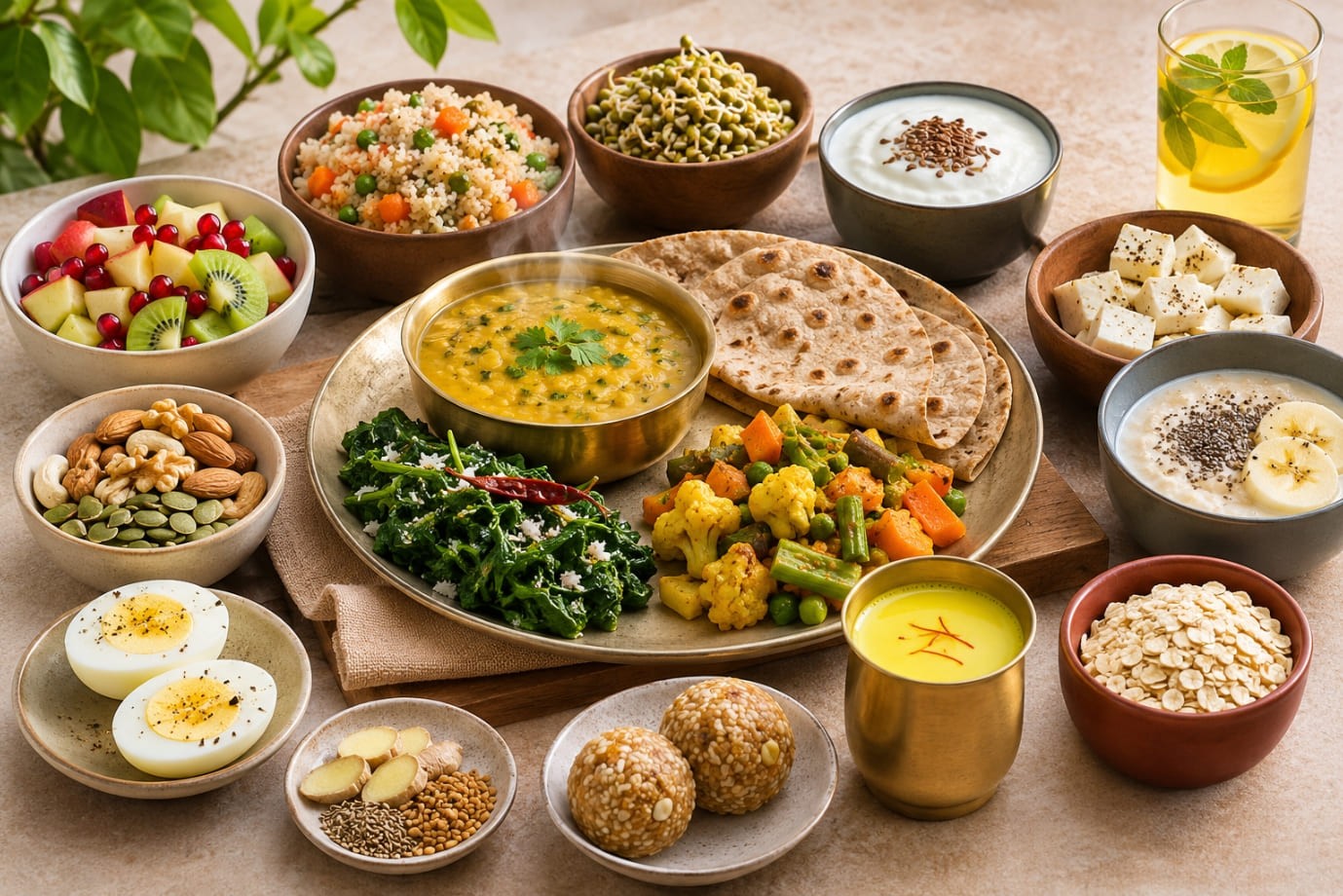
Here are some nutritious food choices to include in your daily routine:
👉Protein-Rich Foods
Protein supports tissue repair, muscle maintenance and postpartum recovery. Include everyday options such as moong dal, masoor dal, paneer, eggs, tofu, curd and chicken. Adding a protein source to your main meals can also help you feel satisfied for longer.
👉Fibre-Rich Foods
Oats, whole wheat roti, brown rice, millets, fruits, vegetables and legumes provide dietary fibre. These foods support digestion, help manage constipation and keep you feeling full, making them useful additions to a diet plan for postpartum weight loss.
👉Fruits and Vegetables
Include seasonal fruits such as papaya, guava, apples and oranges, along with vegetables like spinach, carrots, bottle gourd and other leafy greens. They provide essential vitamins, minerals, antioxidants and fibre that support overall health.
👉Nuts and Seeds
Almonds, walnuts, flaxseeds, chia seeds and sesame seeds provide healthy fats, fibre and important nutrients. Enjoy them in moderate portions as snacks or add them to porridge and homemade meals.
👉Traditional Indian Foods
You do not need to give up familiar Indian foods to lose weight after childbirth. Dal khichdi, vegetable daliya, homemade soups, roti with sabzi, curd rice and balanced homemade meals can all be part of a healthy postpartum diet plan to lose weight.
Even traditional foods like ghee, panjiri and homemade laddoos do not need to be eliminated completely. Enjoy them in suitable portions according to your individual nutritional needs. Focus on choosing wholesome foods to lose weight after pregnancy rather than following unnecessary food restrictions.
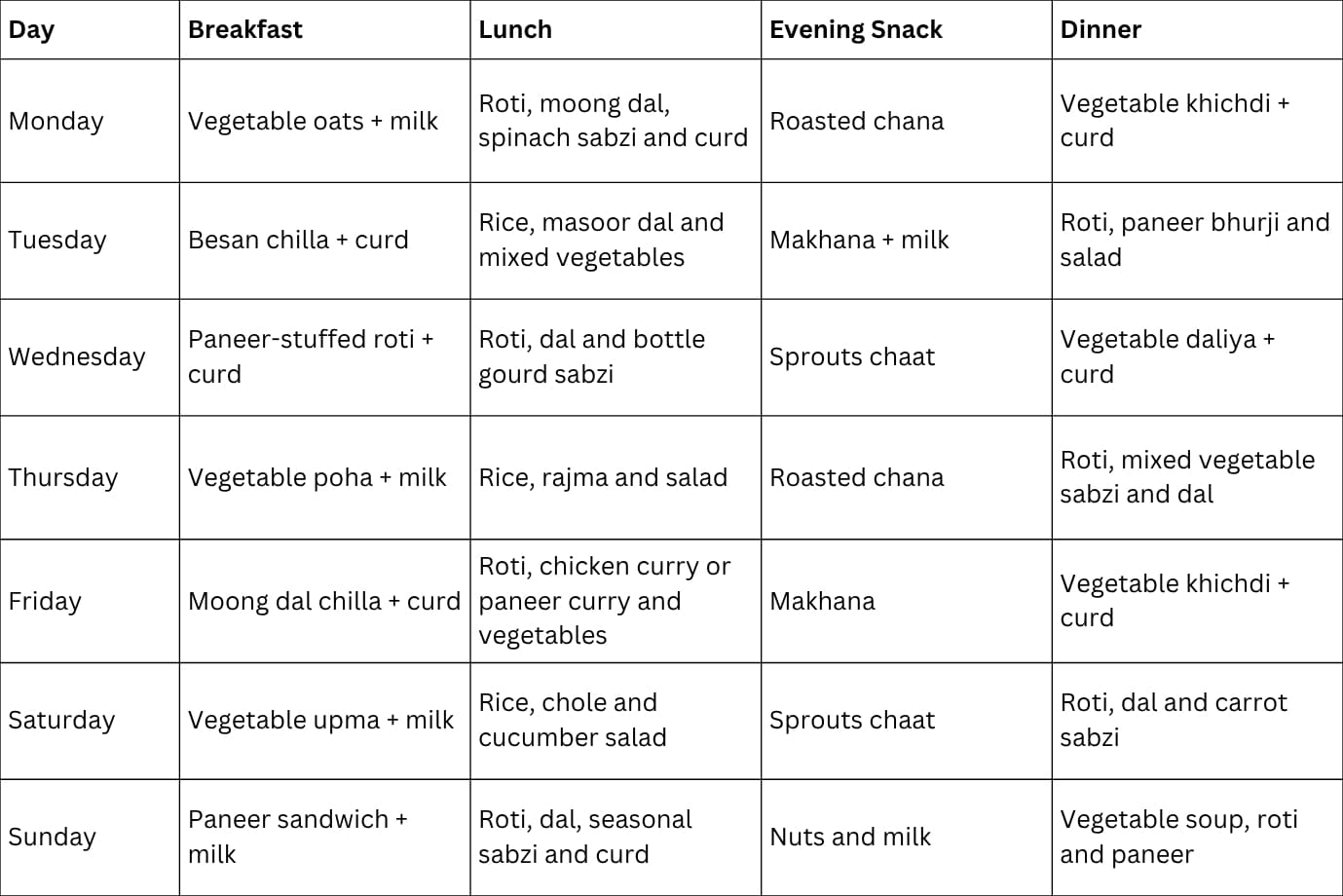
7-Day Sample Indian Postpartum Weight Loss Diet Plan
Planning your daily meals can make your postpartum weight loss journey easier and more manageable. A healthy diet should include a variety of foods that provide protein, fibre, healthy fats, vitamins and minerals. Instead of skipping meals or following strict food restrictions, choose simple homemade dishes that support recovery and gradual weight loss after delivery.
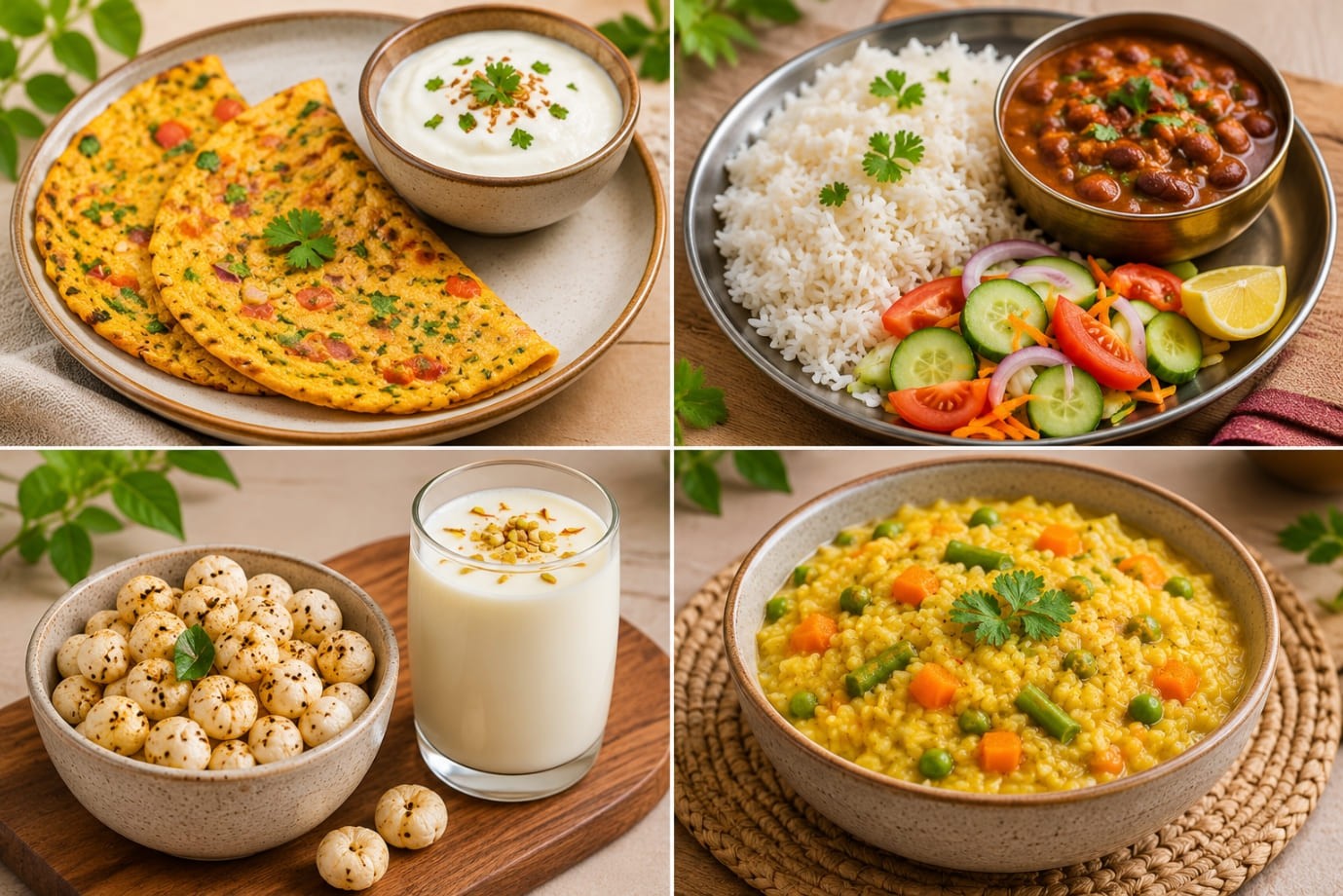
The following 7-day Indian diet plan for postpartum weight loss offers practical meal ideas using familiar household ingredients. It includes vegetarian options, with non-vegetarian alternatives where suitable.
Important Tips for Following This Diet Plan
- Do not skip meals: Eat regular, balanced meals to maintain energy throughout the day.
- Include protein: Add dal, paneer, eggs, curd, tofu, chicken or fish according to your food preferences.
- Stay hydrated: Drink sufficient water, particularly if you are breastfeeding.
- Choose healthy snacks: Include nuts, fruits, roasted chana and homemade snacks.
- Allow flexibility: Add extra snacks whenever needed to meet your nutritional requirements.
Remember, this is an illustrative postpartum diet plan to lose weight, not a fixed prescription. Portion sizes, calorie requirements and additional snacks should be customized according to your body composition, activity level, medical history, recovery stage and breastfeeding status.
The goal is not to eat less but to eat well. Include nutritious foods to lose weight after pregnancy while ensuring that your body receives enough nourishment. With the right guidance and consistent habits, you can gradually lose weight after childbirth without compromising your recovery or overall well-being.
For non-new mothers struggling to loose weight, our dedicated blog on Weight loss diet plan for women can be explored and make their weight loss journey smooth.
Foods to Avoid After Delivery
During the postpartum period, your body needs nourishing food to recover, support energy levels and, if you are breastfeeding, help meet your nutritional needs. While following a postpartum weight loss diet, focus on improving your eating habits rather than following strict food rules. A few choices are best enjoyed in moderation.
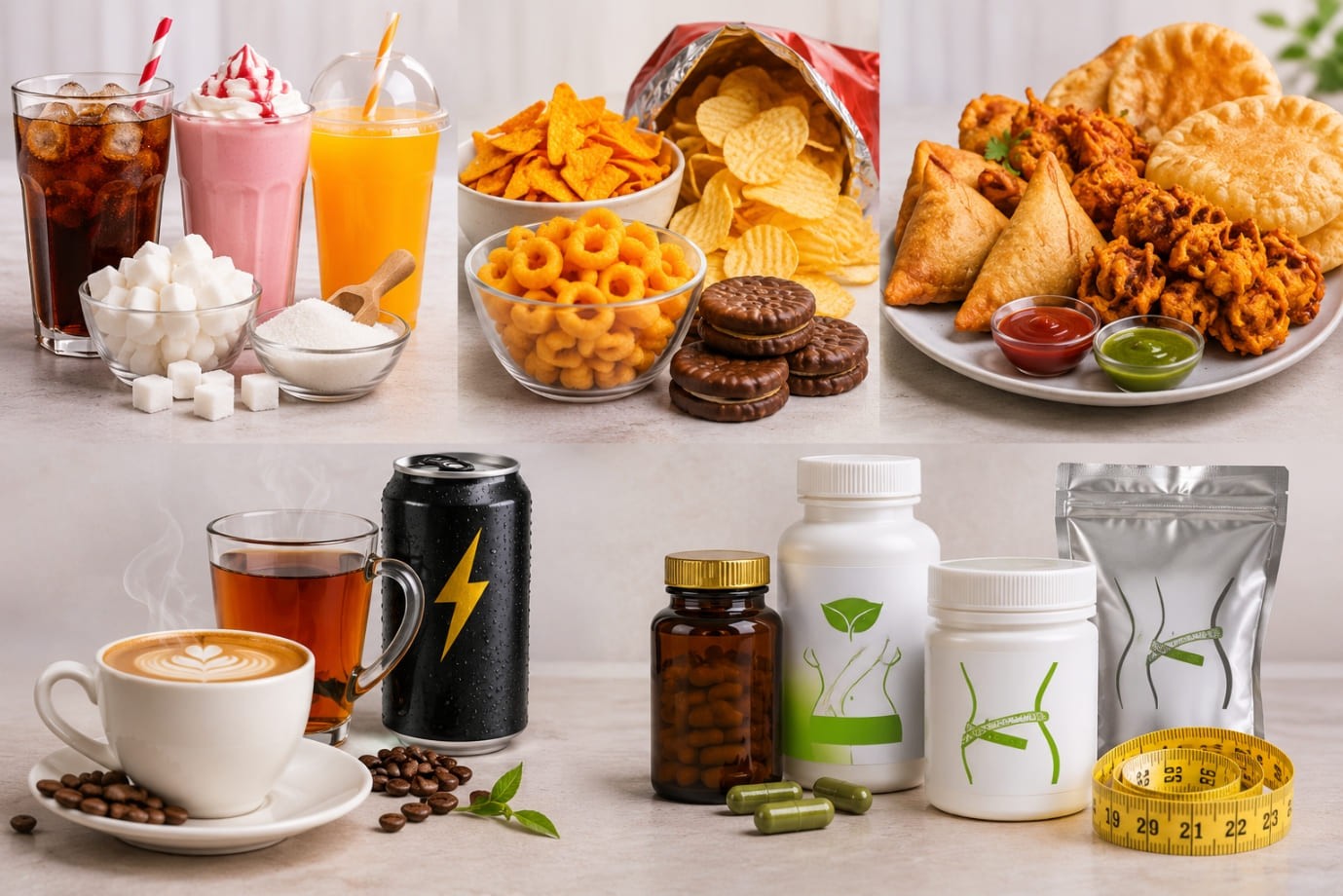
- Sugary beverages and excess sugar: Limit soft drinks, packaged juices, sweetened tea and frequent sugary treats. Choose water, milk or unsweetened drinks more often.
- Highly processed snacks: Reduce frequent consumption of chips, biscuits, packaged namkeen and sugary desserts. Replace them with fruit, nuts, roasted chana or homemade snacks.
- Deep-fried foods: Enjoy fried snacks occasionally, but avoid letting them replace balanced, nutritious meals.
- Restrictive diets: Skipping meals or drastically reducing food intake can affect your energy and recovery. A balanced diet plan for postpartum weight loss is a more sustainable approach.
- Unverified weight-loss products: Avoid unsupervised fat burners, detox drinks and weight-loss supplements, especially while breastfeeding.
- Excessive caffeine: Keep tea, coffee and other caffeinated drinks moderate, as caffeine can pass into breast milk.
Remember, no nutritious food needs to be completely banned to support weight loss after delivery. The aim is to lose weight gradually, not through guilt or deprivation. A practical postpartum diet plan allows occasional treats while prioritising nourishing foods to lose weight after pregnancy. Moderation is more helpful than strict restriction when deciding which foods to avoid after delivery.
Lifestyle Tips to Support Postpartum Weight Loss
Healthy eating is important, but your daily habits also play a major role in postpartum weight loss. Give yourself time to recover and focus on small changes that fit your new routine.
👉Prioritize Sleep and Recovery
Caring for a newborn can make sleep difficult. However, poor sleep may increase hunger, affect energy and make it harder to follow healthy eating habits. Rest whenever possible and accept help from family members.
👉Start With Gentle Physical Activity
Begin with short, comfortable walks when you feel ready and your healthcare professional gives you medical clearance. Return to exercise gradually, especially after a C-section or a difficult delivery. Avoid pushing your body too soon.
👉Eat Regular, Balanced Meals
New mothers often skip meals because of childcare responsibilities. Try to eat at regular intervals and include protein, vegetables, fruits and whole grains. A balanced postpartum weight loss diet works better than missing meals.
👉Manage Stress
Ask your partner or family for help with household tasks and baby care. Set realistic expectations and remember that recovery takes time.
👉Be Consistent, Not Perfect
You do not need to follow a strict diet plan for postpartum weight loss every day. Focus on nourishing foods, healthy routines and moderation rather than worrying about occasional treats or foods to avoid after delivery. Sustainable habits can support gradual weight loss after delivery without unnecessary pressure.