Winter can be a difficult season for parents, as children often suffer from repeated cold, cough, fever, and throat infections during this time. Due to a developing immune system, reduced outdoor activity, and frequent exposure to viruses, children fall sick more often in winter. An imbalanced winter diet and poor food choices can further weaken immunity, making it important to focus on the right winter foods that support overall health. Knowing the correct food to eat during cold and cough and understanding which foods to avoid can help reduce the frequency of illness.
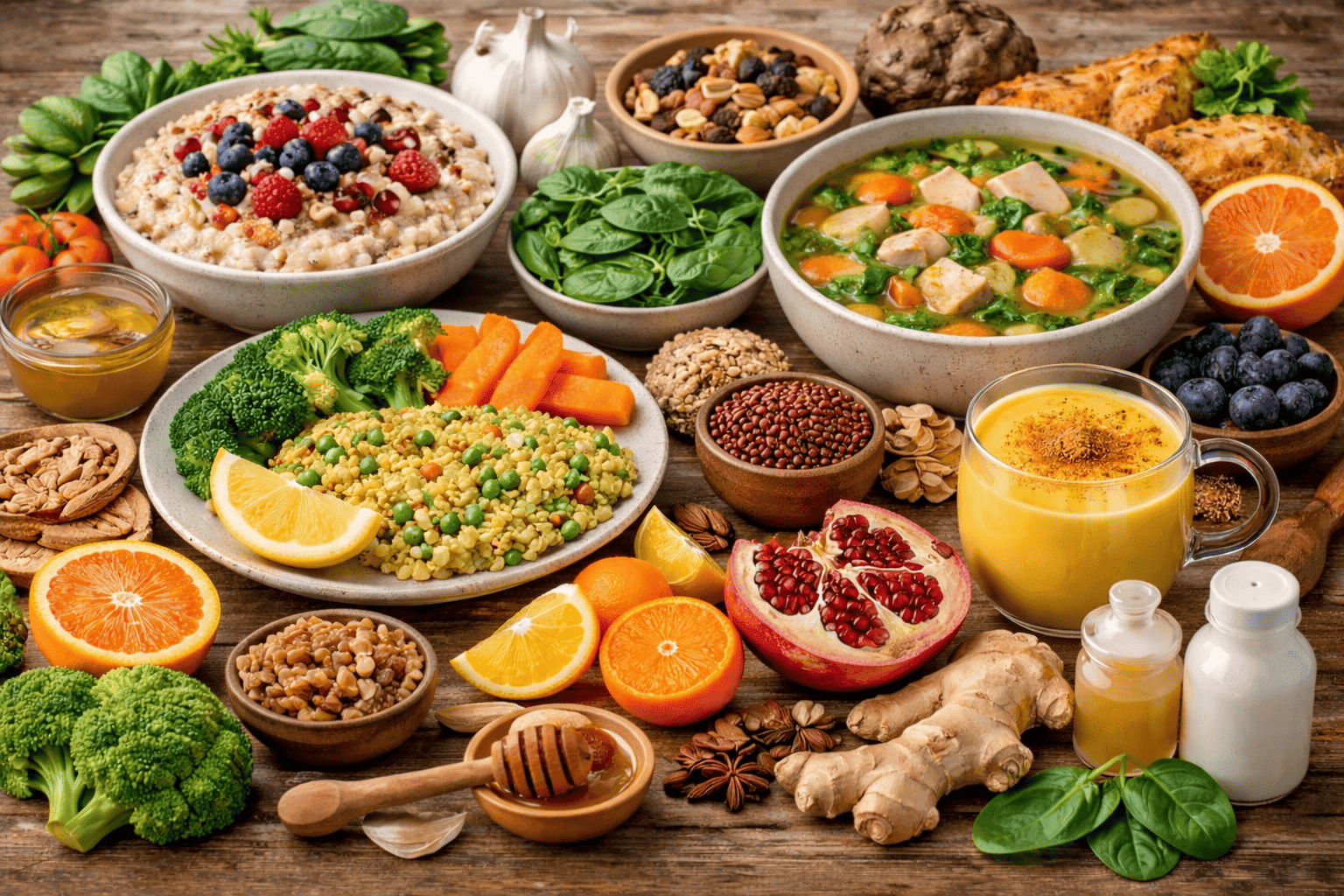
Frequent infections can affect a child’s school attendance, appetite, sleep, and physical growth. Choosing the best food for common cold and fever supports faster recovery and helps children regain energy. At the same time, being aware of the right food to avoid during cold and cough prevents worsening of symptoms and recurring illness.
Nutrition plays a key role in strengthening immunity naturally. Including the right food to increase immunity against cold and cough, along with warm and nourishing winter drinks, helps build resistance against seasonal infections. In this blog, you will learn how to plan a balanced winter diet, select immunity-boosting foods, choose the right food to eat when sick with cold, and avoid trigger foods to keep your child healthy throughout the winter season.
Why Do Children Get Frequent Cold, Cough & Infections in Winter?
Winter increases the risk of cold, cough, and frequent infections in children due to a combination of environmental and nutritional factors. Understanding these reasons helps parents plan a stronger winter diet with the right foods and drinks to protect their child’s health.

1. Immature Immune System in Children
- Children’s immune systems are still developing and are not strong enough to fight seasonal viruses efficiently.
- Lack of a balanced diet and inadequate food to increase immunity against cold and cough makes them more prone to repeated infections.
- Choosing the best food for common cold helps strengthen immunity naturally over time.
2. Cold Weather and Low Humidity Effects
- Cold air and low humidity dry the nasal passages and throat, weakening the body’s natural defense.
- Warm meals, soothing winter drinks, and the right food help to protect the respiratory tract.
- Avoiding cold and processed items and knowing the correct food to avoid during cold and cough is equally important.
3. Reduced Sunlight → Vitamin D Deficiency
- Limited sunlight exposure in winter often leads to Vitamin D deficiency.
- Low Vitamin D weakens immunity, increasing the risk of infections despite eating the best food for cold and fever.
4. Indoor Crowding & Faster Spread of Infections
- Children spend more time indoors during winter, leading to close contact and faster spread of infections.
- Proper nutrition, including food to eat when sick with cold, supports quicker recovery.
5. Poor Appetite and Nutritional Gaps in Winter
- Reduced appetite leads to missed nutrients essential for immunity.
- Consuming foods to avoid when sick with a cold further worsens immunity.
- A well-planned winter diet helps bridge nutritional gaps and reduces illness frequency.
Role of Nutrition in Building Strong Immunity in Children
Immunity is the body’s natural ability to recognize and fight infections such as cold, cough, and fever. In children, immunity is still developing, which makes them more vulnerable during seasonal changes. A strong immune system does not completely prevent illness but helps the body recover faster and reduces the severity of symptoms. Following a balanced winter diet with nourishing winter foods plays a key role in strengthening this natural defense system during winter.

How Diet Supports Immune Cells
Immune cells require adequate nutrients to function effectively. Proteins, vitamins, minerals, and antioxidants obtained from daily meals help in the production and activation of white blood cells. Including the right food to increase immunity against cold and cough along with warm winter drinks supports respiratory health and improves resistance to infections. During illness, choosing the right food to eat during cold and cough helps speed up recovery. Selecting appropriate food ensures the body gets enough energy to heal.
Short-Term Remedies vs Long-Term Immunity
Many parents rely on quick remedies or supplements when children fall sick, but these provide only temporary relief. Long-term immunity is built through consistent nutrition. A nutrient-rich winter diet followed daily is far more effective than occasional treatments. Focusing on whole winter foods instead of supplements and avoiding triggers by identifying foods to avoid when sick with a cold helps maintain strong immunity. Consistency and mindful food choices are the foundation of lifelong immune health in children.
Essential Nutrients Children Need in Winter
Winter places extra stress on a child’s immune system, making proper nutrition essential. A well-balanced winter diet rich in key nutrients helps children fight infections, recover faster, and stay active throughout the season. Including the right winter foods and warm drinks ensures the body receives consistent nourishment to prevent frequent cold, cough, and fever.
Protein – The Foundation of Immunity
Protein is crucial for building and repairing immune cells, including antibodies that fight infections. During winter, inadequate protein intake can weaken immunity, making children more prone to repeated illness. Including enough protein-rich food to increase immunity against cold and cough helps strengthen the body’s defense system and supports growth.
Indian child-friendly protein sources are easy to include in daily meals:
- Milk, curd, paneer – support immunity and gut health
- Dal, chana, rajma – plant-based proteins rich in fiber
- Eggs (if non-veg) – high-quality protein for recovery
- Nuts & seeds (age-appropriate) – almonds, peanuts, seeds for strength
These foods are also ideal to eat during cold and cough and act as the best food for common cold when included regularly.
Vitamins & Minerals That Fight Infections
- Vitamin C: Vitamin C boosts white blood cell activity and shortens recovery time from infections. It is one of the most effective nutrients and forms an important part of the best food for cold and fever.
Indian sources: Amla, oranges, guava, lemon, seasonal fruits. - Vitamin A: Vitamin A supports respiratory health and protects the lining of the nose and throat. Deficiency can increase susceptibility to infections, making it essential in a child’s winter diet.
Sources: Carrot, pumpkin, spinach, green leafy vegetables. - Vitamin D: Reduced sunlight exposure in winter often causes Vitamin D deficiency, weakening immunity and increasing infection risk. Along with sunlight exposure, foods like fortified milk, eggs, and mushrooms help meet needs. This supports faster recovery and is important to eat when sick with cold.
- Zinc & Iron: Zinc helps immune cells function efficiently, while iron prevents weakness and recurrent infections. Their deficiency can worsen symptoms if combined with poor food choices.
Sources: Nuts, seeds, whole grains, legumes, jaggery, green vegetables.
- Vitamin C: Vitamin C boosts white blood cell activity and shortens recovery time from infections. It is one of the most effective nutrients and forms an important part of the best food for cold and fever.
Avoiding trigger items by identifying food to avoid during cold and cough while focusing on nutrient-dense foods ensures children remain protected and resilient throughout winter.
Best Winter Foods to Prevent Cold, Cough & Infections in Children
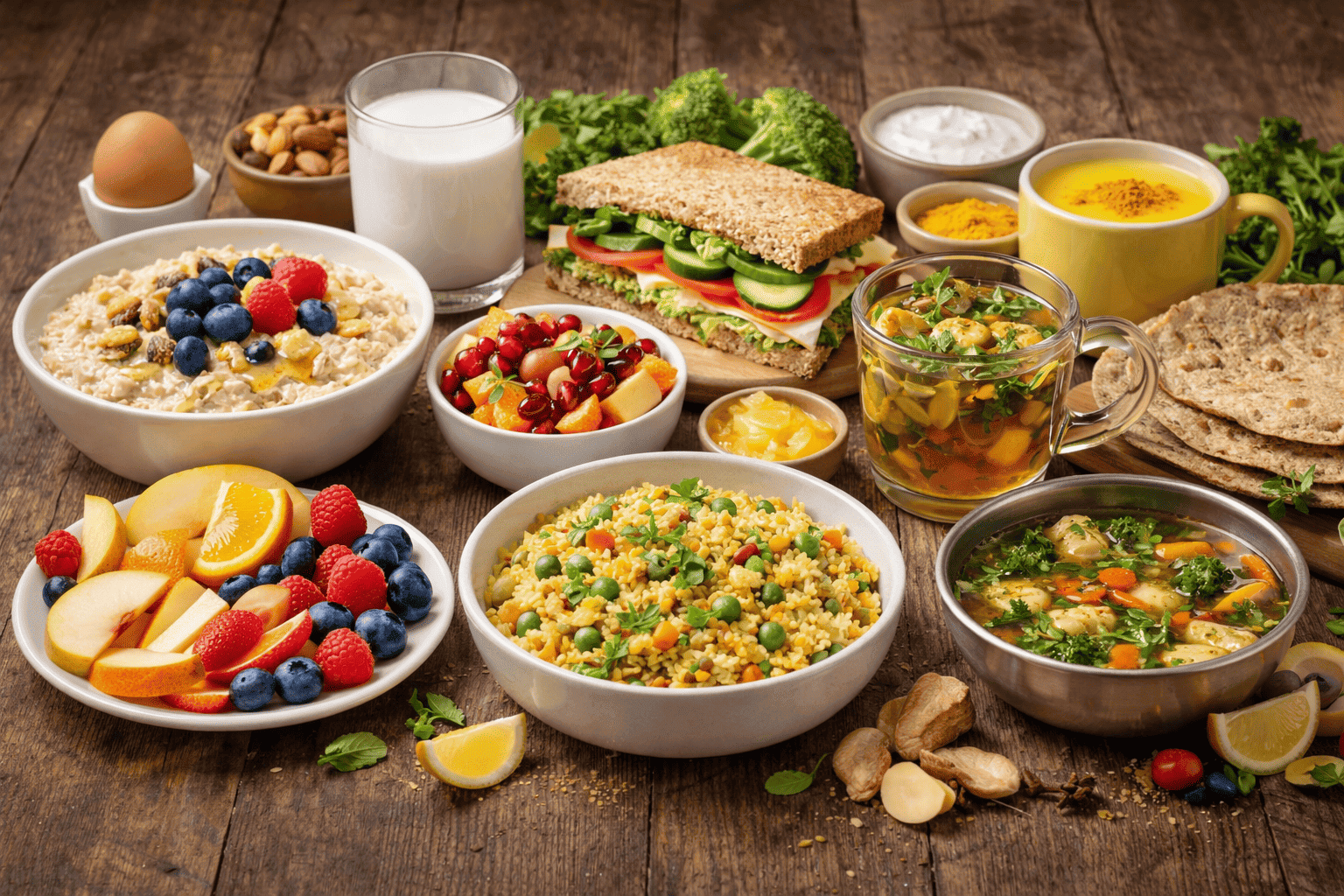
A strong immune system during winter depends largely on everyday food choices. Including the right winter foods in a child’s daily meals helps the body fight seasonal infections naturally. A balanced winter diet that focuses on fresh fruits, vegetables, traditional Indian ingredients, and gut-friendly foods works far better than quick remedies. These foods not only act against cold and cough but also support faster recovery during illness.
1. Immunity-Boosting Fruits for Winter
Seasonal fruits are among the best food for common cold because they are rich in vitamins, antioxidants, and natural sugars.
- Amla is a powerful source of Vitamin C and supports respiratory immunity. It is ideal food to boost immunity.
- Orange and sweet lime help reduce the duration of cold and support hydration.
- Guava is rich in Vitamin C and fiber, making it excellent food to eat during cold and cough.
- Apple provides antioxidants and gentle energy, especially useful during recovery from illness.
2. Vegetables That Protect Against Infections
Vegetables are essential winter foods that supply vitamins and minerals needed for immune defense.
- Carrot and pumpkin are rich in Vitamin A, which protects the respiratory tract.
- Spinach provides iron and antioxidants that prevent weakness and infections.
- Beetroot supports blood health and immunity.
- Bottle gourd is light, hydrating, and soothing, making it suitable to eat during cold and cough.
3. Traditional Indian Winter Foods That Work
Indian kitchens offer powerful natural immunity boosters.
- Turmeric (haldi) reduces inflammation and speeds recovery.
- Ginger and garlic fight infections and soothe sore throats.
- Tulsi strengthens respiratory immunity.
- Honey (for children above 1 year) helps relieve cough and supports healing, especially when included in warm winter drinks.
4. Probiotic Foods for Gut Immunity
A healthy gut strengthens overall immunity.
- Homemade curd improves digestion and resistance.
- Buttermilk is light and nourishing.
- Fermented foods (age-appropriate) support gut bacteria and increase immunity against cold and cough.
Including these foods consistently in a child’s winter diet helps prevent frequent infections and promotes long-term health.
Warm & Healthy Winter Drinks for Children
During winter, warm fluids play an important role in keeping children comfortable, hydrated, and protected from infections. Including nourishing winter drinks in a child’s daily routine supports immunity, soothes the throat, and helps the body fight cold and cough naturally. When combined with a balanced winter diet, these drinks act as effectively to increase immunity against cold and cough, especially during seasonal changes.
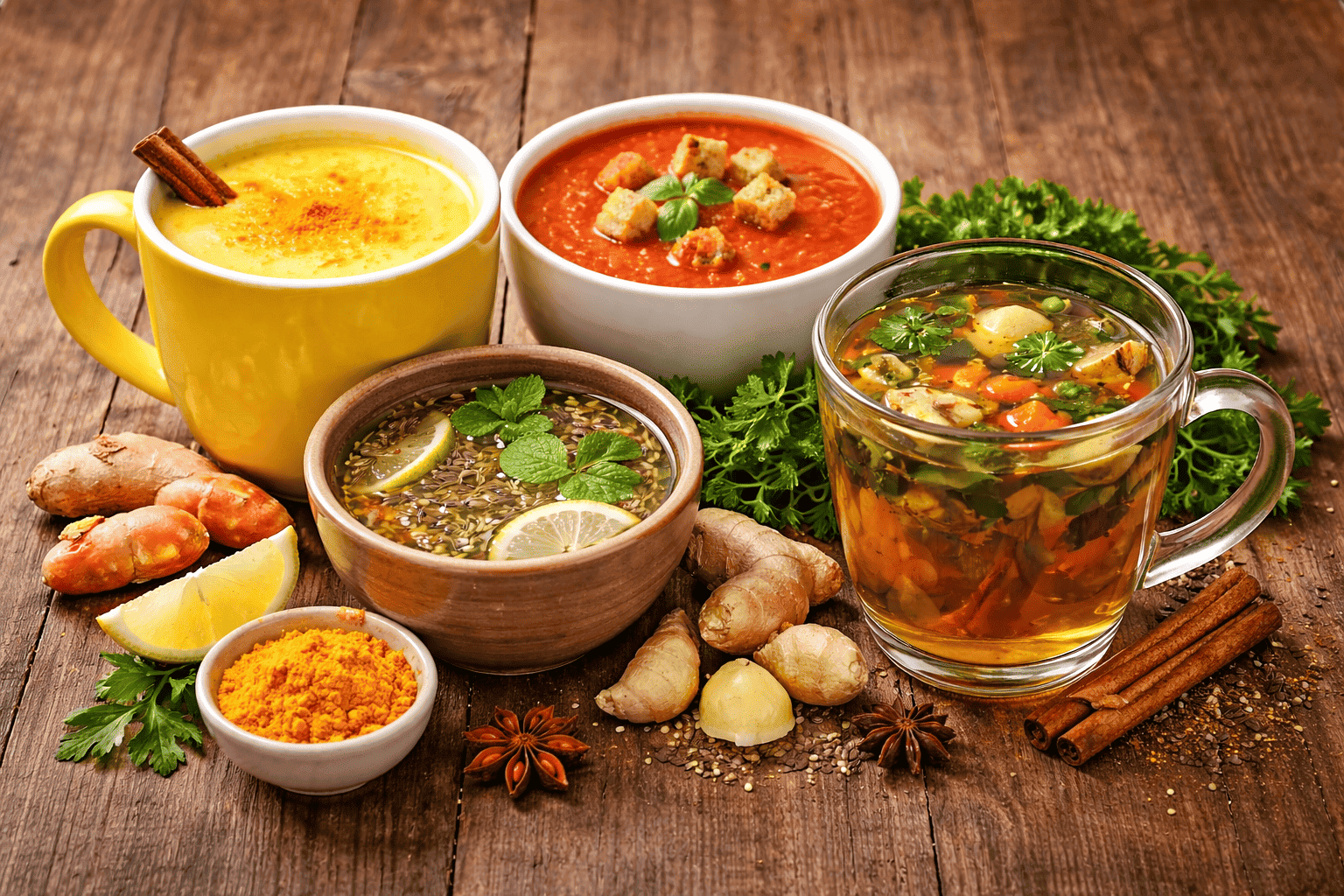
- Turmeric milk is one of the most trusted immunity-boosting drinks. Turmeric has natural anti-inflammatory and antibacterial properties that help reduce cough, throat irritation, and mild fever. Warm turmeric milk before bedtime is often considered the best food for common cold, as it promotes better sleep and faster recovery.
- Vegetable soups and veg broth are light, nourishing, and easy to digest. They provide essential vitamins, minerals, and hydration without burdening the digestive system. These warm liquids help relieve congestion and support recovery, making them an important part of a child’s winter diet.
- Ajwain or jeera water aids digestion and helps reduce mucus formation. These simple home remedies are gentle and effective winter drinks that can be given in small quantities, especially when children experience bloating or mild cough.
- A mild, child-safe herbal kadha, prepared with ingredients like tulsi and a pinch of ginger, helps strengthen respiratory immunity and keeps infections at bay when given occasionally.
- Tips for Parents: Avoid packaged health drinks as they are often high in sugar and additives. Also, avoid very cold beverages during winter, as they can irritate the throat and weaken immunity. Warm, home-prepared winter drinks remain the safest and healthiest choice for children.
Foods to Avoid in Winter if Your Child Gets Sick Frequently
While choosing the right winter foods is important, especially if your child falls sick frequently. An unbalanced winter diet and poor food choices can weaken immunity and delay recovery, even when you offer the best food for common cold and fever.
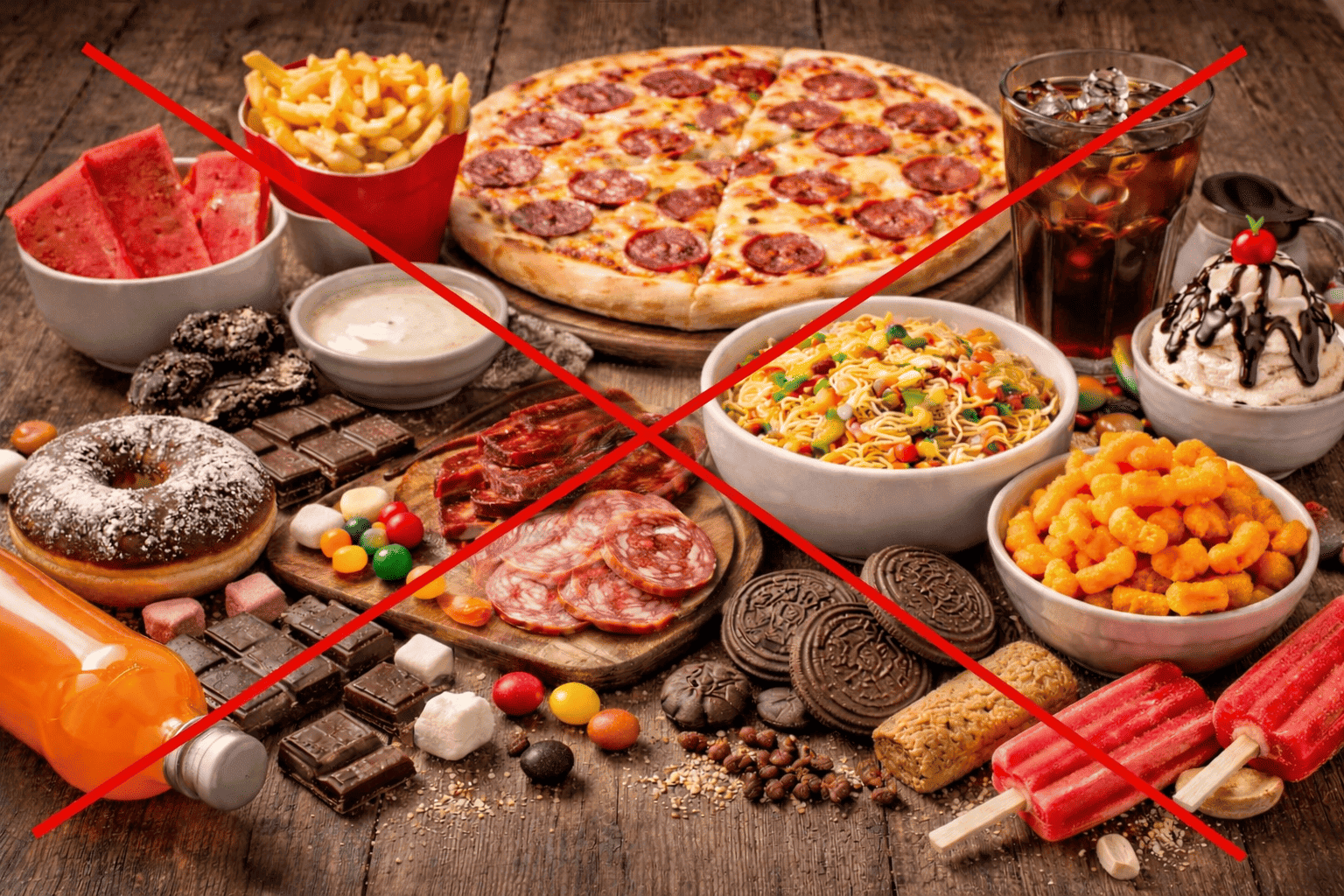
- Cold and refrigerated foods such as ice cream, chilled desserts, and cold milk increase mucus formation and irritate the throat. These foods should be avoided, particularly when deciding food to eat during cold and cough.
- Packaged juices are high in sugar and low in nutrients. Excess sugar suppresses immune function and counteracts the benefits of food to increase immunity against cold and cough and healthy winter drinks.
- Excess sugar from sweets, candies, and sugary cereals increases inflammation and lowers resistance to infections, making recovery slower.
- Fried and junk foods are difficult to digest and provide empty calories, reducing the effectiveness of a nutritious winter diet.
- Bakery items and chocolates contain refined flour, trans fats, and sugar, which weaken immunity and worsen cough and congestion. These are important foods to avoid when sick with cold.
Limiting these foods and focusing on wholesome meals helps strengthen immunity and keeps children healthier during winter.
Sample Diet Plan of Winters for Children
A well-planned winter diet helps children stay energetic, warm, and protected from frequent infections. Including nourishing foods at regular intervals supports immunity, digestion, and growth, while warm drinks help soothe the throat and maintain hydration. Below is a sample winter diet plan designed to suit both toddlers (2–4 years) and school-going children (5–12 years). Portions can be adjusted according to age and appetite.
Meal Time | Toddlers (2–4 Years) | School-Going Children (5–12 Years) |
Early Morning | Warm water or few sips of warm milk | Warm water + soaked almonds (2–3) or warm milk |
Breakfast | Vegetable dalia / soft vegetable poha | Vegetable paratha with curd / oats with milk |
Mid-Morning | Seasonal fruit mash (apple / papaya) | Whole fruit (apple, guava) or fruit chaat |
Lunch | Soft rice + dal + mashed vegetable | Roti/rice + dal/rajma + sabzi + curd |
Evening Snack | Vegetable soup or homemade idli | Roasted chana / vegetable sandwich + soup |
Dinner | Khichdi with vegetables | Roti + paneer/vegetable curry + sabzi |
Bedtime (optional) | Warm turmeric milk | Warm turmeric milk or plain milk |
Why This Winter Diet Works
This winter diet focuses on warm, home-cooked meals that are easy to digest and rich in nutrients. Seasonal winter foods like vegetables, dals, milk products, and fruits help maintain immunity and energy levels. Including soups, milk, and herbal preparations as winter drinks keeps the body warm and supports recovery from seasonal illnesses.
For toddlers, meals are kept soft, mildly spiced, and easy to chew, while school-going children are offered more variety and texture to meet higher energy needs. Consistency is key—following a structured winter diet daily helps build long-term immunity and keeps children healthier and more active throughout the cold season.
Lifestyle Tips to Support Immunity Along with Winter Diet
A strong immune system in children depends not only on nutrition but also on healthy daily habits. While a balanced winter diet with nourishing foods and warm drinks forms the foundation, the right lifestyle practices further strengthen immunity and help prevent frequent infections like cold and cough.
- Proper sleep is essential for immune recovery and growth. Children who do not get adequate sleep are more likely to fall sick, even if they consume the best food for common cold and fever. A fixed sleep routine helps the body repair and fight infections naturally.
- Sun exposure is another important factor, as winter sunlight helps maintain Vitamin D levels, which are crucial for immunity. Regular sun exposure supports the immunity against cold and cough and improves overall resistance.
- Hand hygiene plays a major role in preventing the spread of infections. Teaching children to wash hands properly reduces dependence on medications and supports recovery along with the right food to eat during cold and cough.
- Dressing children in seasonal clothing keeps the body warm and prevents sudden exposure to cold air. Along with this, indoor physical activity improves circulation and digestion, helping the body use nutrients effectively from the winter diet.
Avoiding unhealthy habits, identifying food to avoid during cold and cough further protect immunity and keep children healthier throughout winter.