The OMAD Diet Plan, also known as One Meal a Day, has become one of the most talked-about eating patterns in recent years. From fitness enthusiasts to busy professionals, many people are exploring this approach as a way to simplify their meals and manage their weight. If you have ever wondered what is OMAD diet, it is a form of intermittent fasting where a person consumes all their daily calories within a single meal and fasts for the remaining hours of the day. Its growing popularity has been fuelled by celebrity endorsements, fitness influencers and countless success stories shared across social media platforms.
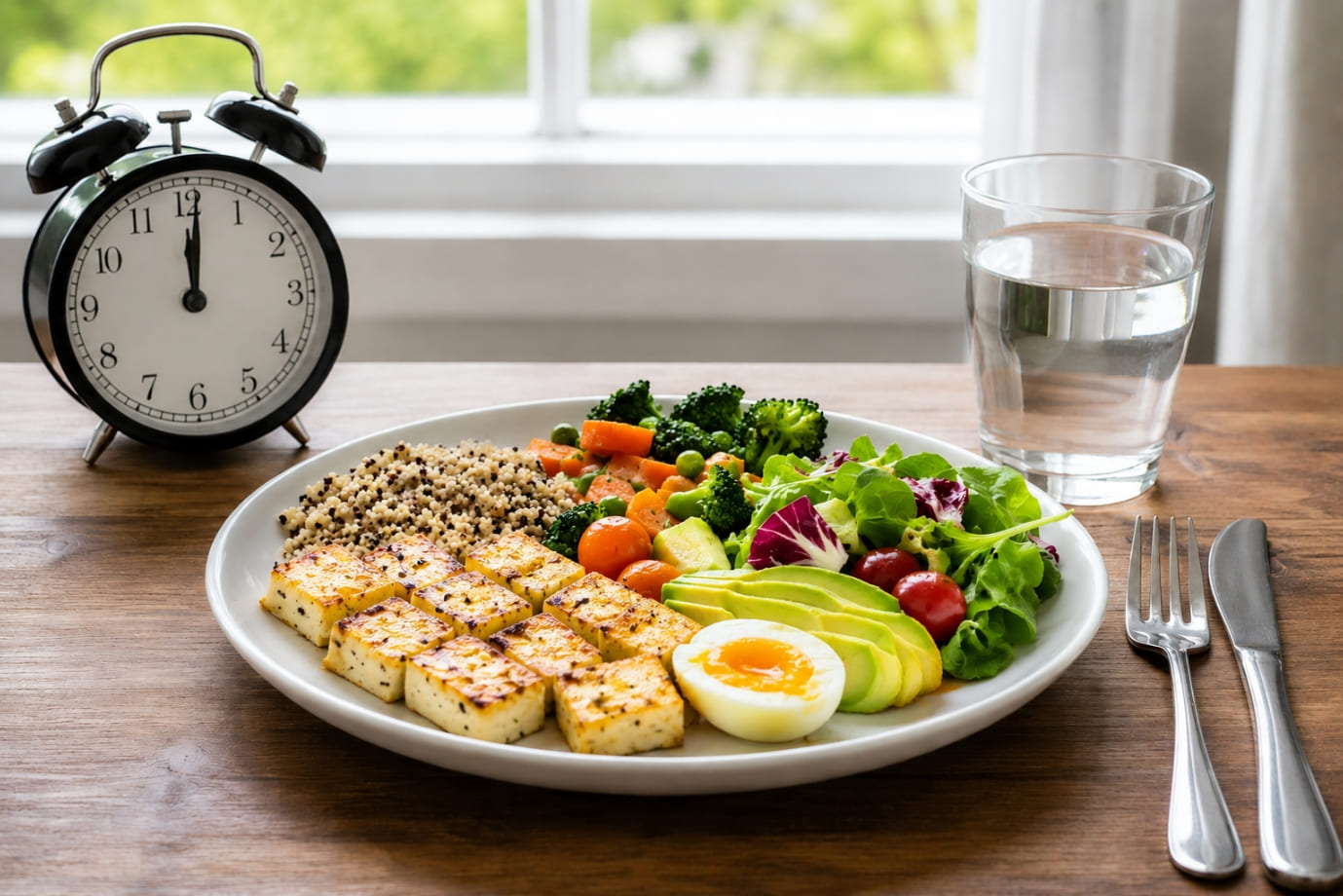
Many people choose the OMAD Diet Plan because they believe that eating one meal a day can help reduce calorie intake and support weight management. Some individuals even follow it to lose weight, hoping for faster results than traditional dieting methods. While some report success in losing weight with one meal a day, others find it challenging to maintain over the long term.
However, before deciding to eat only one meal a day, it is important to understand both the advantages and the potential risks. Questions like is one meal a day healthy, is OMAD good for health, and what happens when you eat one meal a day deserve evidence-based answers rather than relying on online trends alone.
In this comprehensive blog, we’ll explain the OMAD diet rules, discuss the OMAD diet benefits and possible side effects, explore whether this eating pattern is suitable for everyone and share practical insights to help you make an informed decision about your health.
What Is the OMAD Diet?
If you are wondering what is OMAD diet, it stands for One Meal A Day, a type of intermittent fasting where a person consumes all their daily calories in a single meal. The OMAD Diet Plan follows a 23:1 fasting schedule, meaning you fast for about 23 hours and eat during a one-hour window. During the fasting period, water, black coffee and unsweetened tea are generally allowed, while calorie-containing foods and beverages are avoided.
Many people choose eating one meal a day as a strategy to lose weight because it may naturally reduce daily calorie intake. However, the success of this approach depends on eating a well-balanced, nutrient-rich meal that provides enough protein, healthy fats, fibre, vitamins and minerals.
It is also important to understand that fasting is different from starving. Fasting is a planned eating pattern where you voluntarily avoid food for a certain period, whereas starvation occurs when the body does not have access to enough food. Following the OMAD diet rules responsibly means ensuring your nutritional needs are still met despite eating only once a day.
How Does the OMAD Diet Work?
The OMAD Diet Plan works by extending the fasting period, which may encourage the body to use stored energy more efficiently. Here’s how it works:
Reduces calorie intake:
Since you eat only one meal a day, you may naturally consume fewer calories, which can support losing weight.
Promotes fat burning:
Once stored glucose is used up, the body may begin using fat as an energy source.
Supports insulin regulation:
Longer fasting periods may improve the body’s insulin response in some individuals.
May trigger ketosis:
During extended fasting, the body can start burning fat instead of carbohydrates for fuel.
Influences hunger hormones:
Appetite hormones may gradually adapt, making it easier for some people to manage hunger.
While there are several reported OMAD diet benefits, many people still ask is OMAD good for health. The answer depends on your overall health, lifestyle and nutritional intake, so it is best to seek professional guidance before starting this eating pattern.
Potential Benefits of the OMAD Diet
The OMAD Diet Plan has gained popularity because many people believe it can support weight management and simplify daily eating habits. While there are several reported benefits, the results can vary from person to person. It is important to remember that the effectiveness of this eating pattern depends on the quality of your diet, your lifestyle, and your overall health.

Weight Loss:
One of the main reasons people follow One Meal a Day is to lose weight. Since you are eating one meal a day, you may naturally consume fewer calories, which can help create a calorie deficit. This is why some people experience success in losing weight. However, weight loss is only sustainable when your single meal is balanced and nutritious. You can also go through our comprehensive blog on Weight loss diet plan for men.
May Improve Insulin Sensitivity:
Longer fasting periods may allow insulin levels to remain lower for a longer time, helping the body use stored energy more efficiently. Some studies suggest this may improve insulin sensitivity in certain individuals, although more research is needed.
Simple Eating Routine:
One of the practical OMAD diet benefits is its simplicity. Instead of planning multiple meals and snacks, you only prepare one nutritious meal each day. This can save time and make meal planning easier for people with busy schedules.
Reduced Mindless Snacking:
Following the OMAD diet rules may help reduce unnecessary snacking and emotional eating throughout the day. With fewer opportunities to eat, many people become more mindful of their food choices and portion sizes.
May Improve Discipline Around Eating:
For some individuals, the OMAD Diet Plan encourages better eating habits by promoting structured meal timings and reducing impulsive food choices. However, before deciding to eat only one meal a day, it is important to consider that is one meal a day healthy.
The benefits depend on your nutritional intake, medical condition and individual health needs. Consulting a qualified nutritionist can help determine whether this eating pattern is suitable for you.
Possible Risks and Side Effects of the OMAD Diet
While the OMAD Diet Plan may offer benefits for some people, it is not without risks. Before choosing One Meal a Day, it is important to understand the possible side effects, especially if the diet is followed without proper planning or medical guidance.
Extreme Hunger:
Long fasting hours can cause intense hunger, making it difficult to stay focused and increasing the chances of overeating during the eating window.
Low Energy:
Since you are eating one meal a day, your body may not receive a steady supply of energy throughout the day. This can lead to tiredness, weakness and difficulty concentrating.
Difficulty Meeting Protein Needs:
When you eat only one meal a day, it can be challenging to consume enough protein in a single sitting, which is essential for muscle repair and overall health.
Nutrient Deficiencies:
A single meal may not provide all the vitamins, minerals, fibre and healthy fats your body needs, increasing the risk of nutritional deficiencies over time.
Muscle Loss:
If your meal lacks sufficient protein or calories, your body may begin breaking down muscle tissue for energy, especially during prolonged fasting.
Headaches and Mood Changes:
Some people experience headaches, irritability, dizziness or mood swings during the fasting period, particularly in the early stages of following the diet.
Digestive Discomfort:
Eating a large meal at once may cause bloating, acidity or indigestion, making digestion uncomfortable for some individuals.
Reduced Workout Performance:
Long fasting periods may reduce energy levels during exercise, affecting strength, endurance and recovery.
Disordered Eating Risk:
Strict OMAD diet rules may create an unhealthy relationship with food in some individuals, especially those with a history of eating disorders.
If you are wondering what happens when you eat one meal a day, the answer depends on your age, health condition and nutritional intake. Although some people succeed in losing weight with one meal a day, this eating pattern is not suitable for everyone and should ideally be followed under professional guidance.
Can OMAD Help With Weight Loss?
Many people try the OMAD Diet because they believe it is an effective way to lose weight. While some people do succeed in losing weight with one meal a day, the real reason for weight loss is usually a calorie deficit, burning more calories than you consume, not simply meal frequency.
Here are a few important points to remember:
A calorie deficit is the key:
Eating one meal a day may naturally reduce your calorie intake, but overeating during that meal can limit weight loss.
Short-term vs long-term:
Some people see quick results initially, but following the OMAD diet rules consistently can be difficult over time.
Weight regain is common:
Returning to old eating habits after the diet may lead to regaining the lost weight.
Choose a sustainable approach:
Balanced meals, portion control, regular physical activity and healthy lifestyle habits are often easier to maintain than trying to eat only one meal a day.
Although there are several reported OMAD diet benefits, it is not a miracle solution for weight loss. A personalised nutrition plan is often the safest and most sustainable way to achieve long-term weight management.
What Should You Eat on an OMAD Diet?
If you decide to follow the OMAD Diet Plan, the quality of your meal is just as important as the timing. Since you are eating one meal a day, that single meal must provide enough calories along with essential macronutrients (protein, carbohydrates and healthy fats) and micronutrients (vitamins and minerals). A poorly planned meal can leave your body lacking important nutrients, even if you are losing weight with one meal a day.
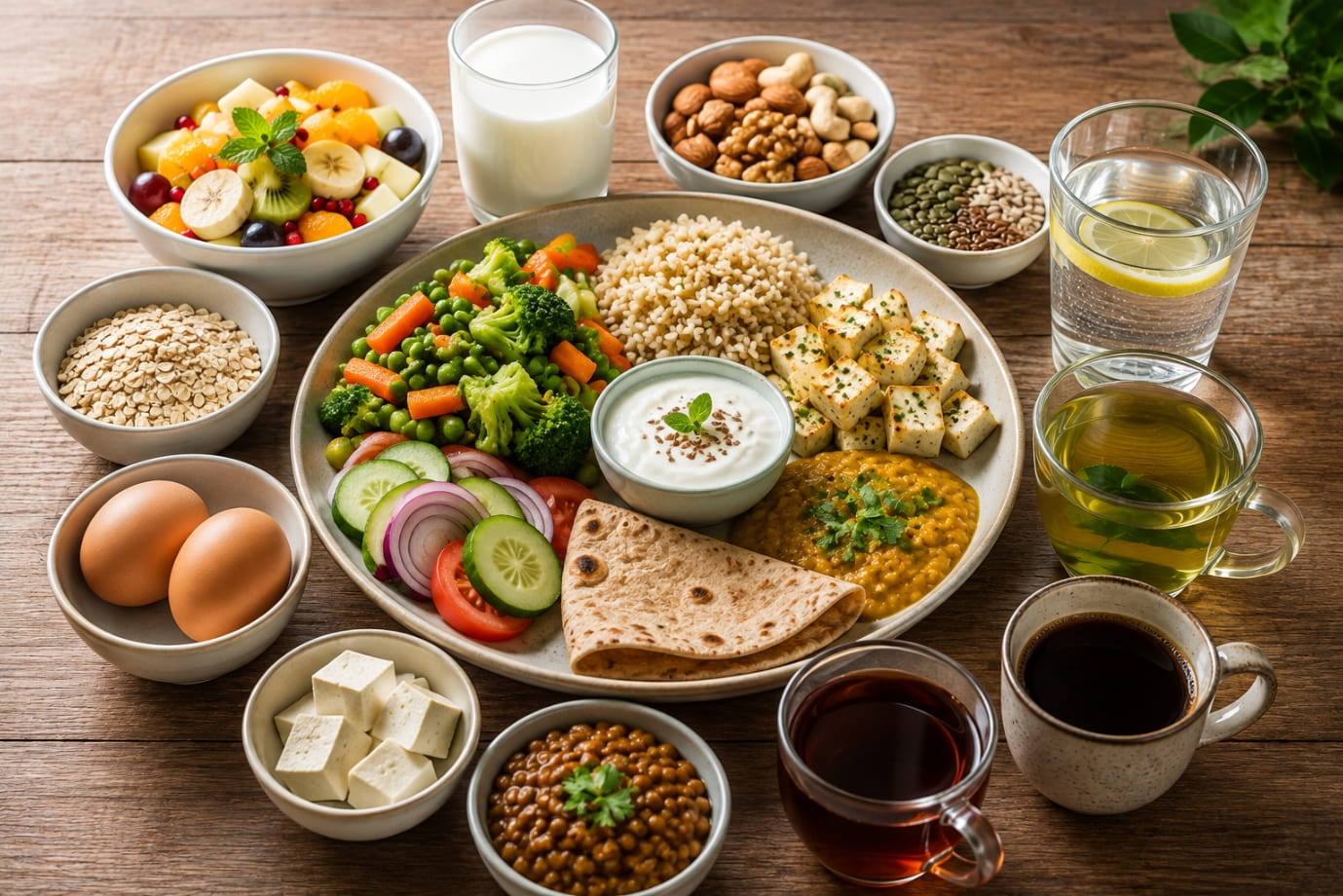
A balanced One Meal a Day meal should include the following:
Protein:
Include lean chicken, fish, eggs, paneer, tofu, lentils, beans or Greek yogurt. Protein helps maintain muscle mass, supports recovery and keeps you feeling full for longer.
Complex Carbohydrates:
Choose brown rice, whole wheat roti, oats, quinoa or millets. These foods provide sustained energy and are rich in fibre, helping you stay satisfied during the fasting period.
Healthy Fats:
Add nuts, seeds, avocado, olive oil, or healthy plant oils in moderation. Healthy fats support heart health and improve the absorption of fat-soluble vitamins.
Vegetables:
Fill at least half of your plate with colourful vegetables. They provide fibre, antioxidants, vitamins and minerals while keeping your meal nutrient-dense.
Fruits:
Include one or two servings of seasonal fruits to supply natural sugars, vitamin C, potassium and other essential nutrients.
Dairy:
Milk, curd or yogurt can add protein and calcium, which are important for bone health and overall nutrition.
Fluids:
Stay well hydrated throughout the day by drinking plenty of water. Unsweetened tea or black coffee can also be consumed during the fasting period, as permitted under most OMAD diet rules.
If you eat only one meal a day, every bite matters. Your meal should be balanced enough to meet your daily nutritional requirements rather than focusing only on calorie reduction. Although some people choose this approach to lose weight, it is important to remember that its benefits depend on the quality of your food choices and your individual health. If you are still wondering is OMAD good for health or what happens when you eat one meal a day, consulting a qualified nutritionist can help you determine whether this eating pattern is right for you.
7-Day Sample Indian OMAD Diet Plan
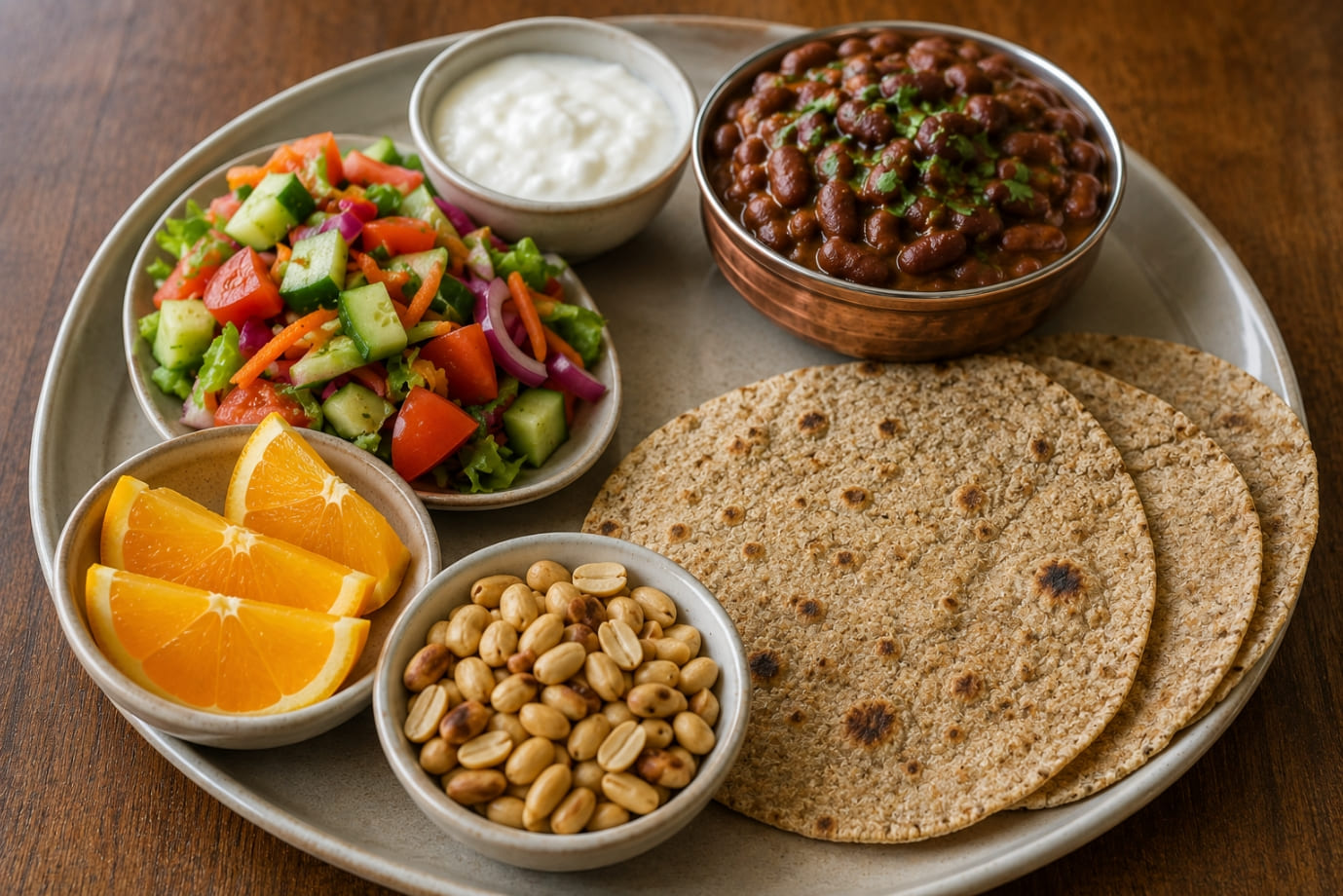
If you are considering the OMAD Diet Plan, your one daily meal should be well-balanced and packed with essential nutrients. Since you are eating one meal a day, it is important to include a variety of foods that provide protein, fibre, healthy fats, vitamins and minerals. Below is a simple 7-day sample Indian One Meal a Day meal plan for reference.
Day | Sample OMAD Meal |
Day 1 | Fresh vegetable salad, dal, grilled paneer, brown rice, mixed vegetables, curd, an apple and a handful of almonds. |
Day 2 | Cucumber and tomato salad, rajma, millet roti, sautéed vegetables, curd, papaya and walnuts. |
Day 3 | Mixed sprouts salad, paneer curry, brown rice, stir-fried vegetables, curd, orange and roasted peanuts. |
Day 4 | Green salad, chole, millet roti, seasonal vegetables, curd, guava and mixed nuts. |
Day 5 | Beetroot salad, dal, grilled paneer, brown rice, vegetable stir-fry, curd, banana and pumpkin seeds. |
Day 6 | Carrot and cabbage salad, mixed dal, millet roti, vegetable curry, curd, pear and almonds. |
Day 7 | Fresh salad, paneer bhurji, brown rice, mixed vegetables, curd, seasonal fruit and a handful of walnuts. |
Note: This OMAD Diet Plan is only a sample and should not be considered a personalised diet chart. You can also read our dedicated blog on Keto Diet Plan, which is another way of loosing weight.
Tips Before Trying OMAD
Before starting the OMAD Diet, it is important to understand that this eating pattern is not suitable for everyone. If you are considering One Meal a Day, following a few simple precautions can help you make a safer and more informed decision.
Consult a registered dietitian:
A qualified nutritionist can assess your health and determine whether the OMAD Diet Plan is appropriate for your individual needs.
Don’t switch overnight:
Instead of immediately eating one meal a day, gradually reduce your eating window to help your body adjust.
Prioritise protein and balanced nutrition:
Your meal should include enough protein, complex carbohydrates, healthy fats, vegetables and fruits to meet your daily nutritional requirements.
Stay hydrated:
Drink plenty of water throughout the day. Unsweetened tea or black coffee may also help during the fasting period.
Monitor your energy levels:
If you experience persistent fatigue, dizziness or difficulty concentrating, your body may not be responding well to the diet.
Stop if you experience adverse symptoms:
Severe weakness, frequent headaches or digestive issues should not be ignored. Seek medical advice if symptoms continue.
Focus on sleep and regular physical activity:
Good sleep and moderate exercise play an equally important role in healthy weight management.
Although many people try one meal a day to lose weight or report success in losing weight with one meal a day, results vary from person to person. Remember that long-term health depends on a balanced diet and a sustainable lifestyle, not just meal timing.
Who Should Avoid the OMAD Diet?
Although the OMAD Diet approach have gained popularity for weight management, they are not suitable for everyone. While some people may experience result in terms of weight loss, following the OMAD diet without proper guidance can increase the risk of nutritional deficiencies and other health concerns. Before deciding to eat only one meal a day, it is important to understand whether this eating pattern is appropriate for your health.

The following individuals should avoid fasting with one meal a day unless specifically advised by a healthcare professional:
Pregnant women:
Pregnancy increases the body’s need for calories, protein, iron, calcium and other nutrients. Long fasting periods can affect both maternal and fetal health.
Breastfeeding mothers:
Nursing mothers require additional energy and nutrients to support milk production. Eating one meal a day may not meet these increased nutritional demands.
Women trying to conceive:
A balanced diet is essential for reproductive health and fertility. Restrictive eating patterns may negatively affect hormone balance.
Children and teenagers:
Growing bodies need regular meals to support healthy growth, brain development and physical activity.
Older adults:
Seniors often require adequate protein and nutrients to maintain muscle mass, bone health and immunity.
People with diabetes on medication:
Extended fasting can increase the risk of low blood sugar, especially in those taking insulin or certain diabetes medications.
People with eating disorders:
Strict OMAD diet rules may trigger unhealthy eating behaviours or worsen existing conditions.
Underweight individuals:
Restricting meals further can lead to inadequate calorie intake and increased muscle loss.
People recovering from illness or surgery:
Recovery requires consistent nutrition to support healing and strengthen the immune system.
If you are wondering is OMAD diet safe, the answer depends on your age, medical history, nutritional status and individual health needs. There is no single eating pattern that works for everyone.
Is OMAD Safe for Women?
Women have unique nutritional and hormonal needs that should not be overlooked when considering the OMAD Diet Plan. Although some women try One Meal a Day for weight loss, this approach may not be suitable during different stages of life.
Some important considerations include:
Hormonal health:
Prolonged fasting may affect hormones that regulate metabolism, reproduction and overall well-being.
Menstrual cycle:
In some women, restrictive eating patterns may contribute to irregular or missed periods.
Fertility:
Women planning pregnancy need adequate nutrition to support healthy ovulation and reproductive health.
Pregnancy and breastfeeding:
These stages require increased calorie and nutrient intake, making just eating one meal a day unsuitable for most women.
PCOS:
Some women with PCOS may benefit from structured meal timing, but dietary plans should always be personalised under professional guidance.
Iron intake:
Women of reproductive age have higher iron requirements due to menstrual blood loss. Consuming enough iron in a single meal can be difficult.
While there may be reported benefits of one meal a day for certain individuals, women should avoid starting it without personalised nutritional guidance, especially during their reproductive years. If you are unsure is OMAD good for health, consult a qualified nutritionist who can recommend an eating plan based on your health goals, lifestyle and nutritional needs rather than following online trends or a generic OMAD meal plan. If women want to follow a diet plan that would help them loose weight, you can read our dedicated blog on Weight loss diet plan for women.