“My child hasn’t pooped in two days. Is that constipation?” It is a common concern for parents. Constipation in children does not always mean having fewer bowel movements. What matters is whether the stool is hard or dry, painful to pass, difficult to pass or whether your child is trying to hold it in. Every child has a different bowel pattern, which can also change with age, diet, toilet training, school, travel or daily routines.
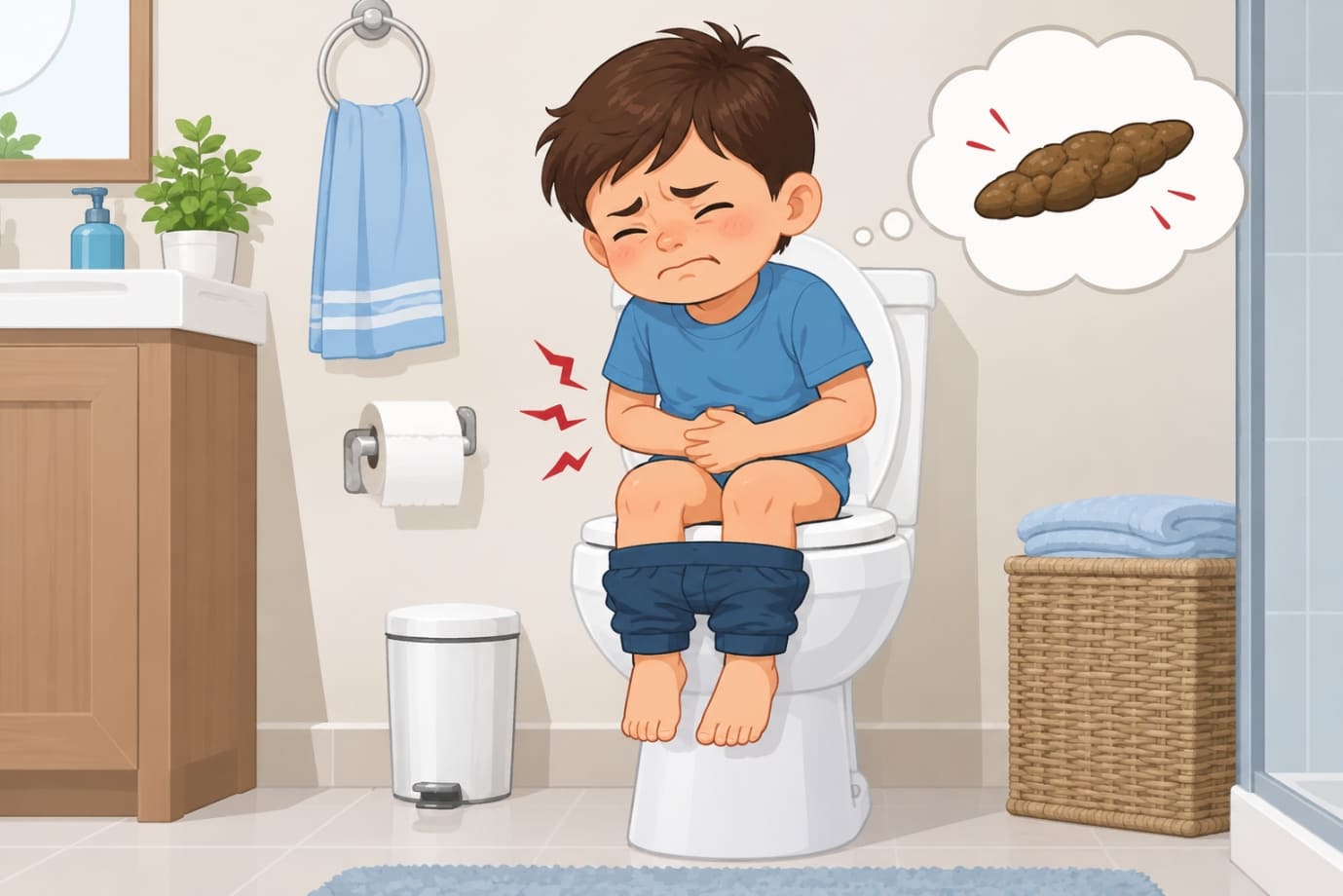
The signs and symptoms of constipation may include hard stools, stomach discomfort, straining, painful bowel movements, or avoiding the toilet. Some children may cross their legs, hide or tighten their bottom because they are afraid of passing stool. These behaviours can be signs that your child is holding their stool rather than simply being stubborn.
There are several causes of constipation in children, including low fiber intake, inadequate fluids, stool withholding, changes in routine and stressful toilet-training experiences. Understanding the cause is important before choosing a constipation remedy for kids.
In this blog, we will explore constipation in kids, including practical dietary tips, fiber-rich foods, hydration, toilet habits and safe home remedies for constipation in kids. We will also explain the treatment and when professional guidance may be needed to manage a persistent constipation problem in child.
What Is Constipation in Children?
Constipation in children means that a child is having difficulty passing stool or is passing stools that are unusually hard, dry or painful. It is important to understand that constipation is not simply about how often a child poops. Some children may have a bowel movement every day and still be constipated if the stool is hard, painful, very large or difficult to pass. Indian pediatric guidelines also recommend looking at stool consistency and other symptoms rather than relying only on bowel frequency.
A child may hold their stool because a previous bowel movement was painful. Unfortunately, holding stool for longer can make it harder and more difficult to pass, creating a cycle of pain and stool withholding. This is one of the common patterns seen in constipation in kids.
How Common Is Constipation in Children?
Constipation in children is a common childhood problem and is frequently seen by pediatricians. For parents, this means a recurring constipation problem in child is not something to feel embarrassed or overly worried about. It can happen because of dietary changes, stool withholding, toilet-training difficulties, changes in routine or other factors. Causes of constipation in children can vary from one child to another, so the right approach also depends on the child’s age, symptoms, diet and overall health.
While occasional constipation may improve with appropriate dietary and lifestyle changes, persistent symptoms, including chronic constipation in toddlers, may require professional evaluation. Depending on the situation, the treatment of constipation in children can include dietary changes, healthy toilet routines and medical treatment when necessary. There is no single constipation remedy for kids that works for every child; understanding the underlying cause is the first step toward helping your child develop comfortable and regular bowel habits.
Also Read: Managing Childhood Obesity
Sign and Symptoms of Constipation in Children
Knowing the signs and symptoms of constipation can help parents notice the problem early. Constipation in children is not only about how often a child passes stool. The texture of the stool, pain while passing it, difficulty going to the toilet and changes in behaviour can also tell you that something is wrong.
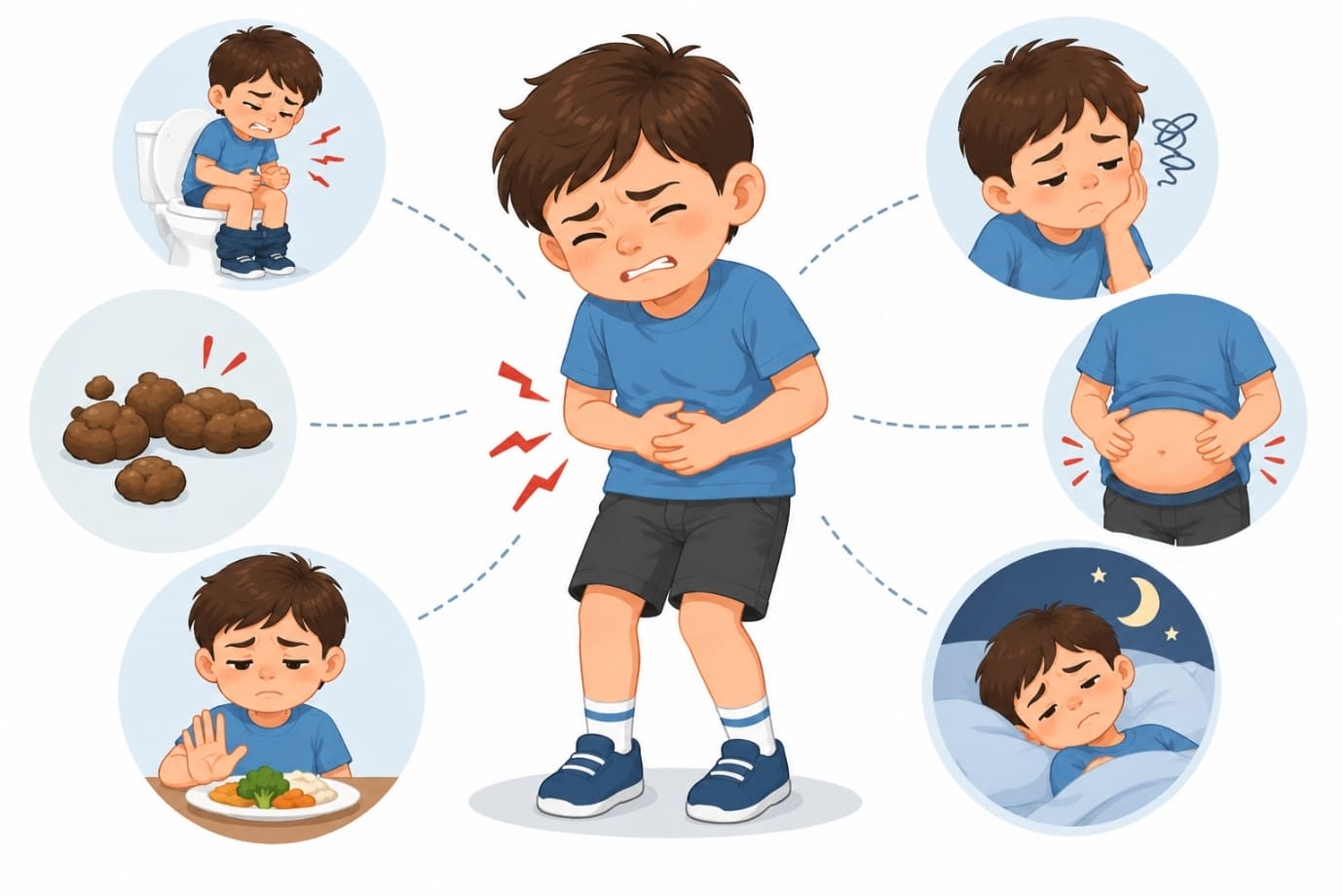
Your child may be constipated if you notice:
- Hard, dry, or lumpy stools
- Pain or crying while passing stool
- Straining or sitting on the toilet for a long time
- Fewer bowel movements than usual
- Very large stools that may be difficult to flush
- Bloating, stomach pain or abdominal discomfort
- Poor appetite or feeling full quickly
- Feeling that the stool has not completely passed
- Hiding or avoiding the toilet
- Crossing the legs or tightening the buttocks to hold stool
- “Dancing,” rocking, standing on tiptoes or other unusual movements when trying to avoid passing stool
- Stool leakage or soiling in underwear
If these symptoms continue or keep returning, speak with a pediatrician. The treatment of constipation in children depends on the child’s symptoms and underlying cause. A suitable remedy should therefore be chosen according to the child’s individual needs rather than relying on a single home remedy.
What are the Causes of Constipation in Children?
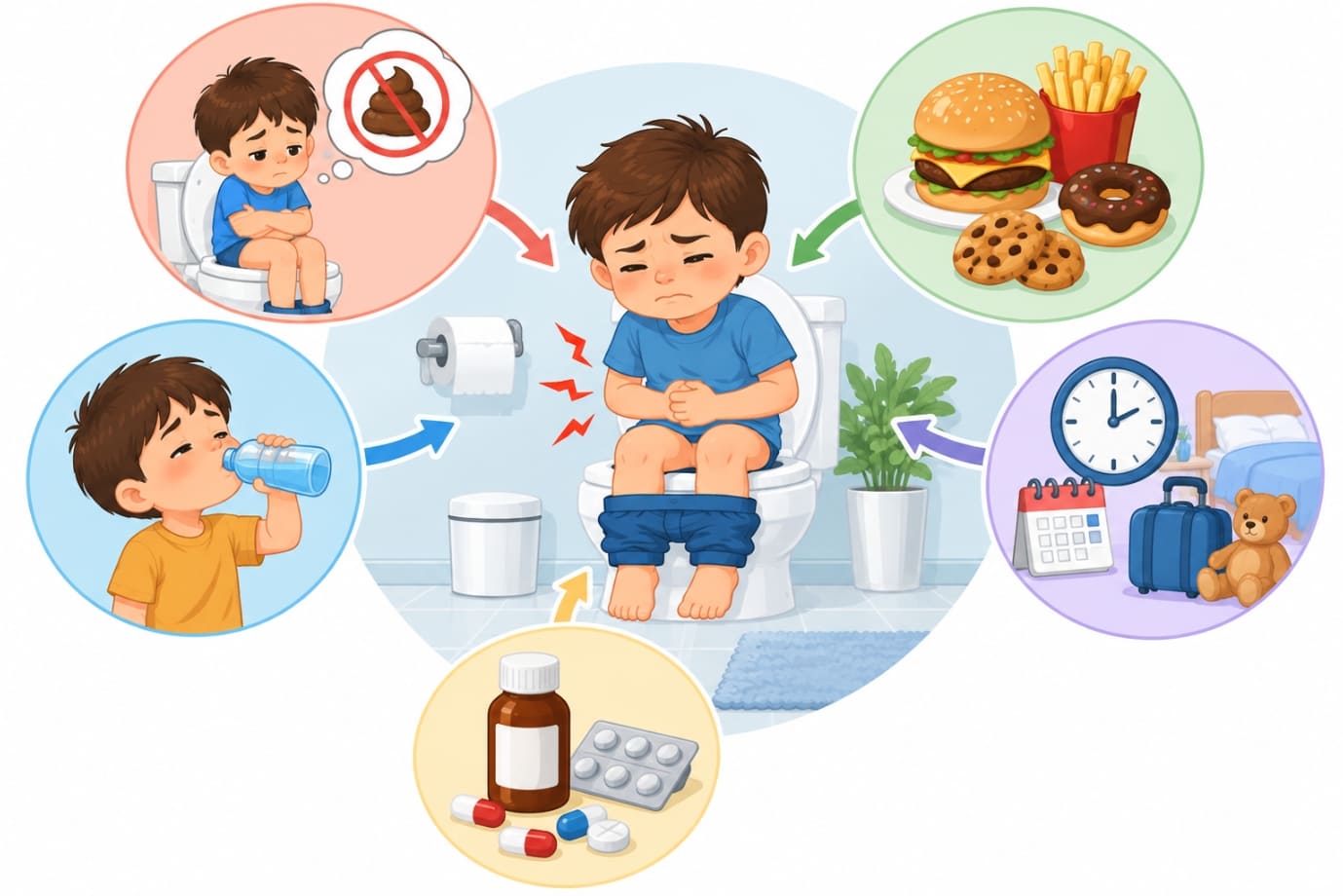
There are several causes of constipation in children, and the reason can be different for every child. While diet and fluids are common factors, toilet habits, changes in routine, medicines and certain health conditions can also contribute. Understanding the reason behind constipation in children is important because the right approach depends on the child’s age, symptoms, diet and overall health.
Stool Withholding
It is one of the most common causes of constipation in kids. A child may start holding stool after experiencing a painful bowel movement and becoming afraid that it will hurt again. This is common during toilet training, but children may also avoid school or public bathrooms, feel embarrassed or refuse to stop playing when they need to poop. When stool remains in the bowel for too long, it becomes harder and more difficult to pass, creating a cycle of pain and withholding.
Low-Fiber Diet
A child’s diet can have a direct effect on bowel habits. Eating too many refined and processed foods, such as maida-based foods, biscuits, chips, packaged snacks and frequent fast food, while eating fewer fruits, vegetables, whole grains and pulses may contribute to constipation in children. Gradually adding age-appropriate fiber-rich foods can support regular bowel movements and help manage a recurring constipation problem in child.
Not Drinking Enough Fluids
Not drinking enough fluids may contribute to harder stools and constipation in kids. Children can easily forget to drink water during school, play or outdoor activities. Adequate fluids help dietary fiber work effectively, but water alone is not a complete solution for constipation in children. A child’s overall diet and toilet habits also matter.
Changes in Routine
Starting school, travelling, holidays, potty training, changing caregivers or having irregular meal and toilet timings can affect bowel habits. Some children may ignore the urge to poop because they are uncomfortable using unfamiliar toilets. Repeatedly delaying bowel movements can contribute to persistent constipation in kids.
Medicines or Health Conditions
Some medicines and supplements, including certain iron supplements, can contribute to constipation. Less commonly, conditions such as hypothyroidism, celiac disease, Hirschsprung disease, neurological disorders or metabolic problems may be associated with constipation in children. Persistent or unusual symptoms should be evaluated by a healthcare professional.
You can also read: Managing Sugar cravings in children
Best Foods for Constipation in Children
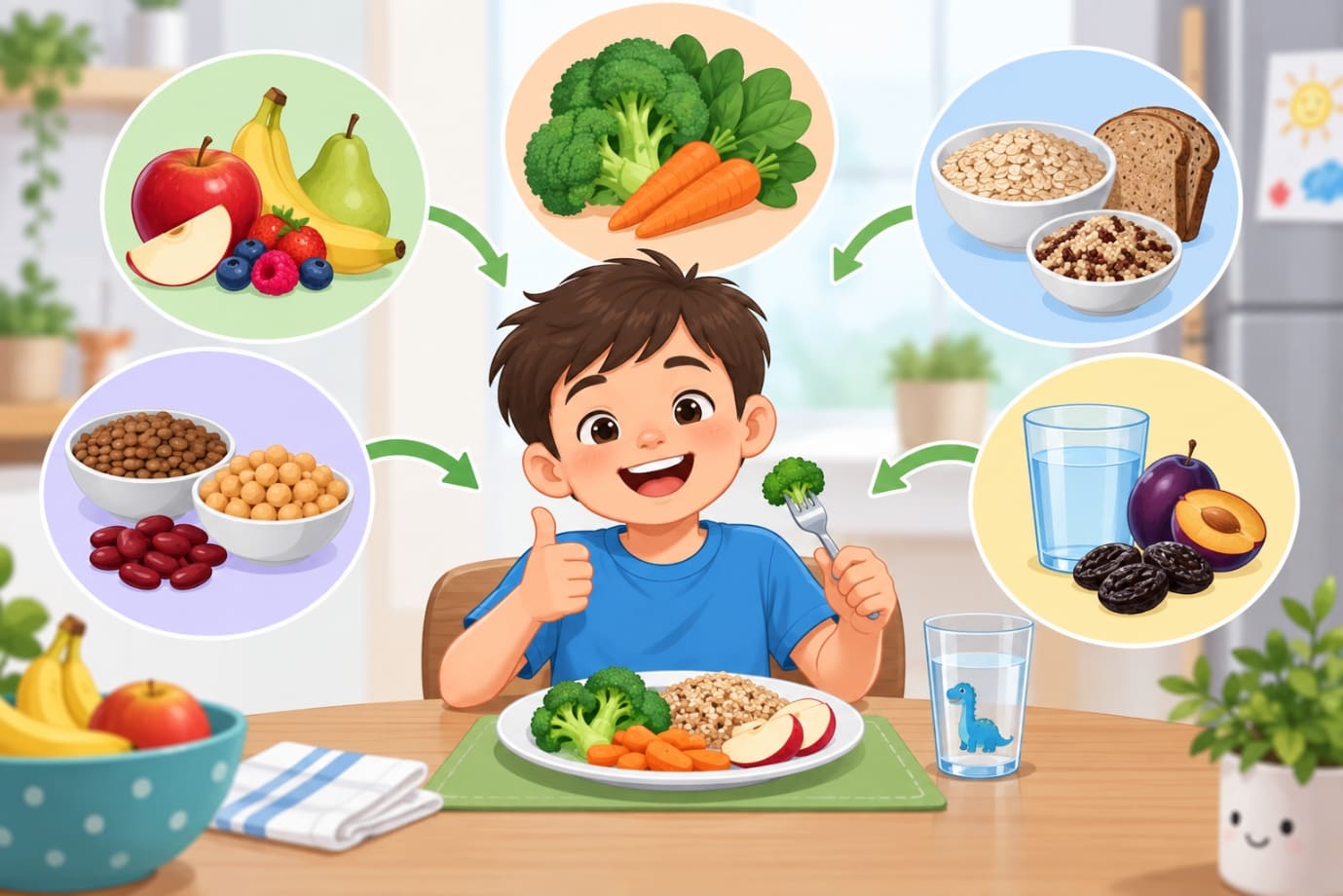
When parents search for the best remedy for child constipation, food is often one of the first things they want to change. A balanced, fiber-rich diet can support healthy bowel movements, especially when combined with enough fluids. However, there is no single food best for constipation that works for every child. Fiber should be increased gradually and according to the child’s age and needs.
Fruits
Fruits are an easy and tasty way to add fiber to a child’s diet. Pear, apple with the skin, orange, papaya, guava, kiwi, berries and age-appropriate prune preparations can be included in meals or snacks. For babies, parents should choose fruits and textures suitable for their developmental stage. If you are wondering about foods that help relieve constipation in babies, fruits can be useful, but babies under one year need age-specific dietary guidance rather than general constipation advice.
Vegetables
Vegetables such as carrots, peas, beans, broccoli, pumpkin, spinach and sweet potato can add both fiber and variety to a child’s meals. Try adding them to dal, khichdi, soups, parathas, pasta or rice dishes instead of making a sudden change in the child’s diet. These everyday options can be particularly helpful when managing constipation in kids through regular meals.
Whole Grains
Replacing some refined grains with oats, whole wheat, dalia, brown rice and whole-grain bread can gradually increase fiber intake. These foods can be simple additions to an Indian family diet and may support regular bowel movements in children.
Pulses and Legumes
Dal, moong, chana, chickpeas, rajma and beans are excellent fiber-containing foods that can fit naturally into Indian meals. Add them gradually if your child is not used to high-fiber foods, as a sudden increase may cause gas or bloating.
Seeds and Nuts
For older children, age-appropriate amounts of nuts and seeds can provide additional fiber. Younger children should not be given whole nuts or other choking hazards. Use safe forms such as finely ground nuts or suitable nut/seed butters according to the child’s age and feeding ability.
Food can be an important part of managing constipation in children, but it is not a substitute for medical care when symptoms are persistent or severe. Laxatives for constipation should only be used for children according to appropriate medical advice. Similarly, parents looking to get rid of constipation in kids should focus on the child’s complete diet, fluid intake, toilet habits and the underlying cause rather than relying on one food or quick constipation remedy for kids.
You can also go through: Hydration in children’s health
Practical Ways to Help Relieve Constipation in Children
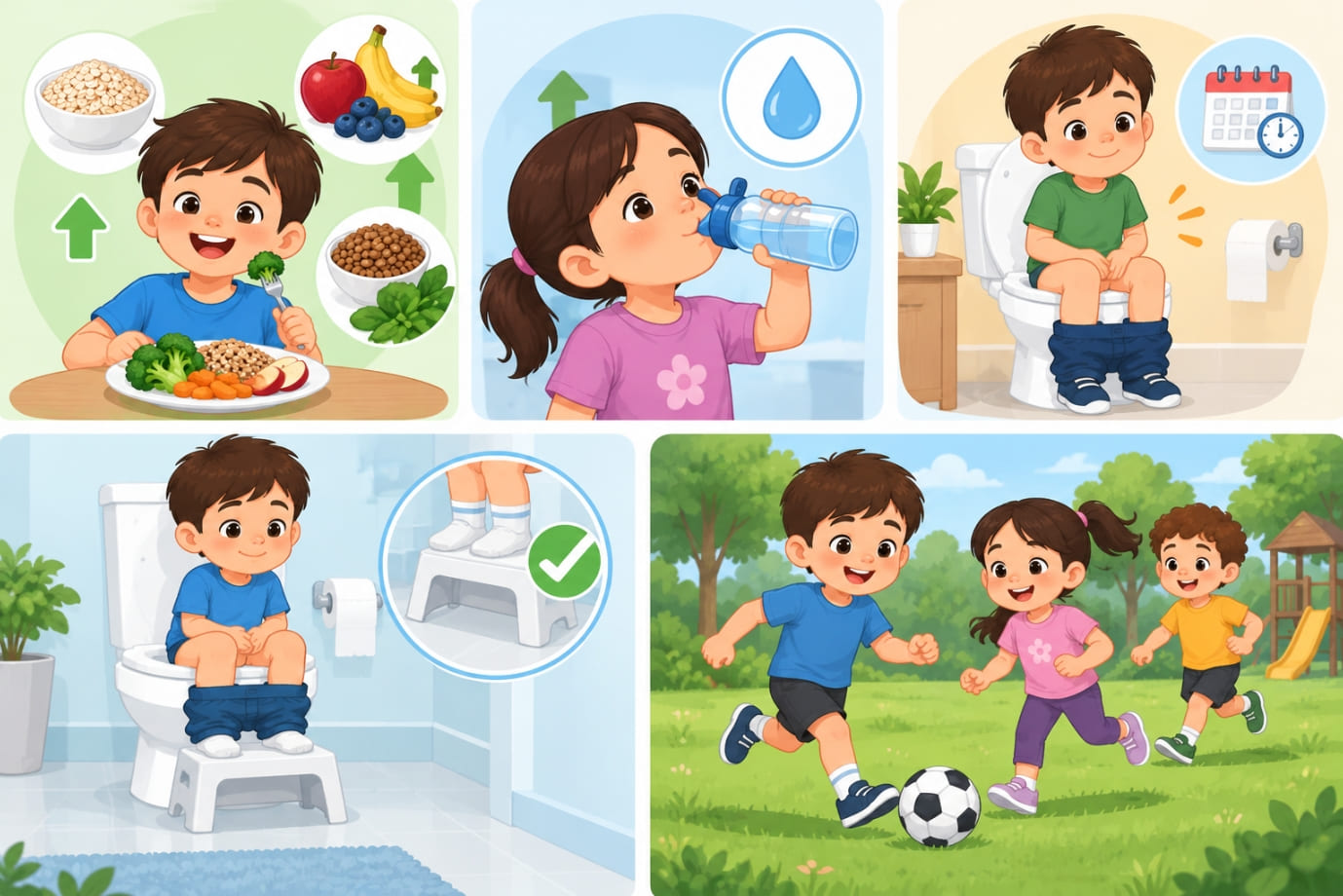
If your child is struggling with constipation, small changes in everyday habits can make a difference. For constipation in children, the focus should be on a balanced diet, adequate fluids, regular toilet habits and understanding the reason behind the problem. Here are seven simple ways parents can support healthy bowel habits.
Increase Fiber Gradually
Add fruits, vegetables, whole grains, pulses and other fiber-rich foods slowly rather than suddenly increasing fiber. A gradual change can help the digestive system adjust and may reduce bloating. This is one of the useful dietary approaches for constipation in kids.
Offer Fluids Regularly
Keep water easily available throughout the day and encourage your child to drink regularly, especially during hot weather and active play. Adequate fluids help fiber work properly and support softer stools. However, water alone is not a complete constipation remedy for kids.
Build a Toilet Routine
Encourage your child to sit on the toilet calmly after meals, particularly after breakfast. A regular routine can help children respond to their body’s natural urge to pass stool and may be useful when looking to get relief from constipation.
Give Proper Foot Support
Make sure your child’s feet are firmly supported with a small stool while sitting on the toilet. A comfortable position can make it easier to relax and pass stool instead of straining.
Encourage Physical Activity
Age-appropriate active play, walking, cycling, and other movement can support healthy daily routines. Regular activity can be especially helpful when managing recurring constipation in kids.
Never Shame or Punish
Avoid scolding or embarrassing your child for accidents or difficulty passing stool. Fear can encourage stool withholding and worsen the constipation problem in child. A calm and supportive approach is much more helpful.
Keep Track of Bowel Habits
A simple record of bowel movements, stool consistency, pain, and withholding behaviour can help identify patterns. This can also help a doctor understand the signs and symptoms of constipation and decide whether further treatment of constipation in children is needed.
Parents may search to get rid of constipation in kids or the best remedy for child constipation, but there is no single solution for every child. Similarly, laxatives should not be given to children without appropriate medical guidance. For babies, parents should seek age-specific advice rather than trying to find how to relieve constipation in babies quickly or choosing foods that ease constipation in babies without guidance.
Also Read: Importance of child nutrition